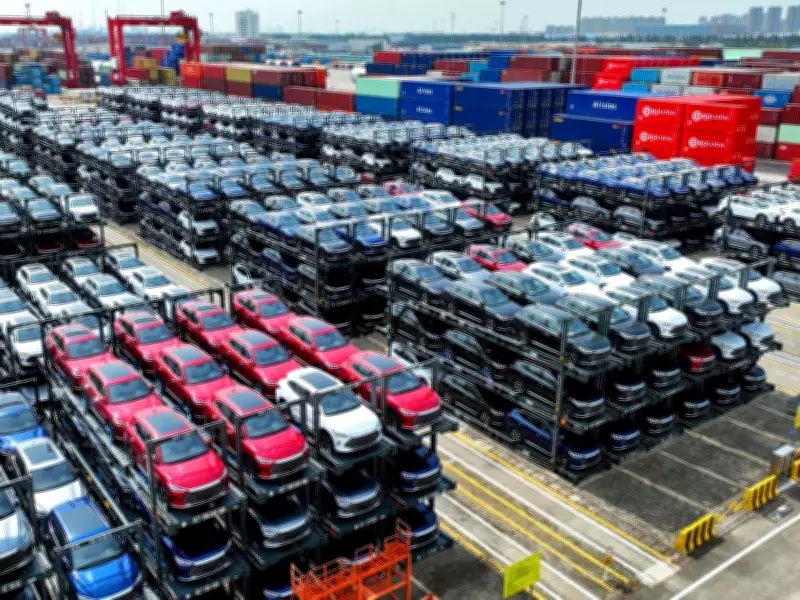
Canadian Consumers Show Growing Acceptance of Chinese Electric Vehicles
As tariff barriers diminish, a substantial transformation in Canadian consumer sentiment toward Chinese-manufactured electric vehicles is emerging. Recent polling data indicates that more than half of Canadians now express openness to purchasing EVs originating from China, representing a dramatic reversal from previous years.
Polling Reveals Significant Attitude Shift
According to new research conducted by Nanos Research Group for Bloomberg News, 53 percent of Canadian respondents stated that knowing an electric vehicle was manufactured in China would have no effect on their purchasing decision. This marks a substantial increase from 2024, when only 25 percent of Canadians expressed similar indifference toward country of origin.
The comprehensive survey further revealed that 15 percent of participants indicated Chinese manufacturing would actually make them more likely to purchase the vehicle, while 28 percent said it would make them less inclined to buy. This represents a notable evolution from 2024 data, which showed 61 percent of Canadians would be less likely to buy a Chinese electric vehicle, with merely nine percent expressing increased interest.

Policy Changes Driving Market Transformation
The softening of Canadian attitudes toward Chinese manufacturers follows significant policy adjustments by the federal government. In 2024, under then-Prime Minister Justin Trudeau, Canada imposed an additional 100 percent tariff on Chinese EVs, effectively blocking their entry into the Canadian retail market in alignment with United States trade policies. China responded with retaliatory levies on Canadian agricultural exports, including canola.
During a diplomatic visit to Beijing in January, Prime Minister Mark Carney announced a substantial policy reversal. The new agreement permits up to 49,000 Chinese EVs annually to enter Canada at a significantly reduced tariff rate of approximately six percent. In exchange, China committed to rolling back duties on Canadian food products.
Market Implications and Industry Response
The revised trade framework includes specific provisions designed to increase affordability for Canadian consumers. A portion of the import quota will be reserved for electric vehicles priced at $35,000 (US$25,700) or less, according to government statements. While initial imports may include higher-end models already familiar to Canadian buyers, such as Tesla vehicles manufactured in Chinese facilities, the government aims to gradually introduce more affordable options.
"This agreement can open the market in terms of affordability, but it does come with its share of concerns around security, privacy and where that data ultimately goes," noted Falak Kothari, manufacturing industry leader at Marsh Canada.
The policy shift has generated opposition from multiple quarters. United States automakers and the Ontario provincial government have raised objections, with Ontario Premier Doug Ford expressing security concerns by referring to potential imports as "Chinese spy vehicles." Ontario hosts several automotive assembly plants that could face increased competition from imported vehicles.
Broader Context and Future Developments
The changing Canadian perspective occurs against a backdrop of ongoing trade tensions between the United States and China. The United States has maintained tariffs on Chinese vehicles throughout the past year, with frequent threats of additional measures from former President Donald Trump. Canada represents the largest export market for American-manufactured vehicles, adding complexity to the trade dynamics.
Industry analysts suggest the new policy could enable Chinese manufacturers like BYD to enter the Canadian market for the first time, potentially reshaping competitive dynamics. Concurrently, the federal government has unveiled plans to reintroduce consumer incentives for electric vehicle purchases—offering up to $5,000 per vehicle—and has promised new emission standards for the automotive industry.
This evolving landscape suggests Canadian consumers are increasingly prioritizing affordability and environmental considerations over country-of-origin concerns, potentially signaling a new chapter in North America's electric vehicle market development.