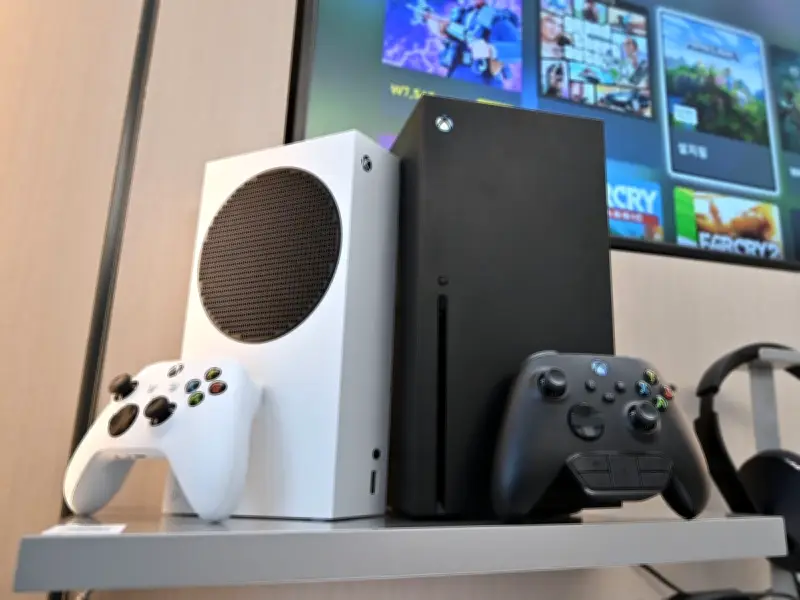
Microsoft Corp. announced a third substantial price increase for its current-generation Xbox video-game consoles, highlighting the ongoing component shortage crisis that has driven up costs across consumer tech. Starting Aug. 1, Xbox consoles will see price hikes of US$100 for models with 512 gigabytes of storage and US$150 for one terabyte versions. Microsoft is also phasing out its previous highest storage tier of two terabytes.
Component Costs Drive Repeated Increases
“We hoped another price increase would not be necessary, and we have spent the last several months working with suppliers on options,” the company wrote on its Xbox news blog on Thursday. “Unfortunately, console storage and memory prices have increased by more than 2.5x and we expect another doubling by the fall of 2027.” Unlike other consumer products, game consoles are typically sold for less than they cost to make, Microsoft noted.
Earlier on Thursday, Apple Inc. hiked prices across most of its products (excluding the iPhone line), attributing the changes to unprecedented demand for memory, solid state drives and other components being snapped up by artificial intelligence companies.

Gaming Hardware Hit Hard
Gaming hardware has been particularly affected by price increases over the last two years. Microsoft first raised the cost of its Xbox Series X and Series S consoles in May 2025, then again last October. Under the new pricing, the regular Xbox Series X will sell for US$800, a jump of US$300 compared to its original cost in 2020. Sony Group Corp. has also raised its PlayStation pricing multiple times, and Nintendo Co.’s Switch 2 will be bumped to a higher US$500 suggested retail price in September.
On Monday, Valve Corp. announced that its long-anticipated Steam Machine console would cost over US$1,000, acknowledging that the price it had originally planned was “no longer viable.”
Microsoft's Market Position and Strategy
Microsoft has trailed rivals Sony and Nintendo in gaming hardware sales and revenue over the last decade. Microsoft Gaming chief executive Asha Sharma, who took the top job in February, is planning an overhaul and major job cuts across the unit to improve the business trajectory. Sharma told Xbox employees in an email earlier this month that by the 2027 holiday season, she expects the company to be paying five times as much for storage and memory components as it did in 2024.
The ongoing component shortage shows no signs of easing and has cast uncertainty around Microsoft’s next-generation console, currently referred to as Project Helix, and when it might reach consumers. “We are working very hard to rethink everything that we can about Helix, which is a console we are committed to shipping,” Xbox chief strategy officer Matthew Ball said in an interview earlier this month at The Game Business Live conference.
Efforts to Mitigate Sticker Shock
Among other moves, Sharma has tried to win back enthusiasm among gamers by making Xbox-exclusive titles a priority again, but the consoles that play those games are now more expensive than ever. In its blog post, Microsoft said it has taken steps to reduce the sticker shock, including buy now, pay later programs for Xbox consoles at its own stores and interest-free financing plans at Amazon.com. The company is also working with retailers on new programs to sell used consoles at lower prices.