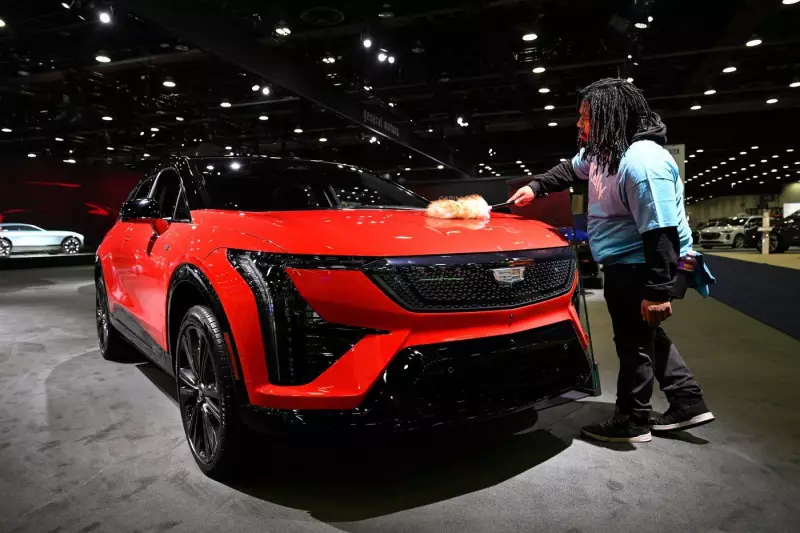
The electric vehicle revolution, once the undisputed star of major auto shows, took a backseat at the 2026 North American International Auto Show in Detroit. The industry's spotlight has noticeably shifted, with manufacturers placing greater emphasis on hybrid technologies and refined internal combustion engines, signaling a potential recalibration of the market's trajectory.
A Shift in Focus on the Show Floor
Observers and analysts at the event, which opened to the public on Wednesday, January 14, 2026, noted a distinct change in tone compared to previous years. While EVs were still present, the aggressive marketing and overwhelming number of dedicated electric concepts that dominated earlier shows had diminished. Instead, the narrative broadened to include a more diverse range of powertrain solutions. This shift reflects growing consumer concerns over charging infrastructure, vehicle range in extreme climates, and higher upfront costs, which have tempered the initial wave of EV mania.
One vehicle that did represent the electric segment was the 2026 Cadillac Optiq Premium Sport, showcased on the floor. However, its presence was part of a broader portfolio rather than the singular headline act. The show's atmosphere suggested automakers are adopting a more pragmatic, consumer-driven approach, hedging their bets as the market evolves.

Market Realities Drive Strategic Pivot
This noticeable cooling of EV fervor is not occurring in a vacuum. Industry data points to a slowing growth rate in pure electric vehicle sales after years of rapid expansion. Automakers are responding to these market signals by diversifying their offerings. Investments are being balanced across plug-in hybrids, traditional hybrids, and next-generation gasoline engines that meet stricter efficiency standards.
The strategic pivot evident in Detroit indicates that the road to an electrified future may be longer and more winding than previously projected. Companies are now prioritizing choice and flexibility, aiming to meet consumers where they are rather than where regulators or enthusiasts hoped they would be. This approach allows them to cater to a wider demographic, including those in regions with less developed EV infrastructure or those not yet ready to make a full transition.
What This Means for the Automotive Landscape
The implications of this trend are significant for the entire automotive ecosystem, including in Canada. While government mandates in various jurisdictions, including some Canadian provinces, continue to push for zero-emission vehicles, the industry's showcase event reveals a focus on transitional technology. The message from Detroit is clear: the industry is preparing for a multi-pathway future where electric, hybrid, and efficient internal combustion vehicles will coexist for the foreseeable future.
For Canadian consumers, this could translate into a greater variety of vehicle choices that balance environmental aspirations with practical realities like long-distance travel, cold-weather performance, and budget considerations. The Detroit Auto Show's 2026 edition may be remembered as the moment the industry embraced a more nuanced and patient evolution, moving beyond the simple dichotomy of electric versus gasoline to a more complex and varied spectrum of mobility solutions.