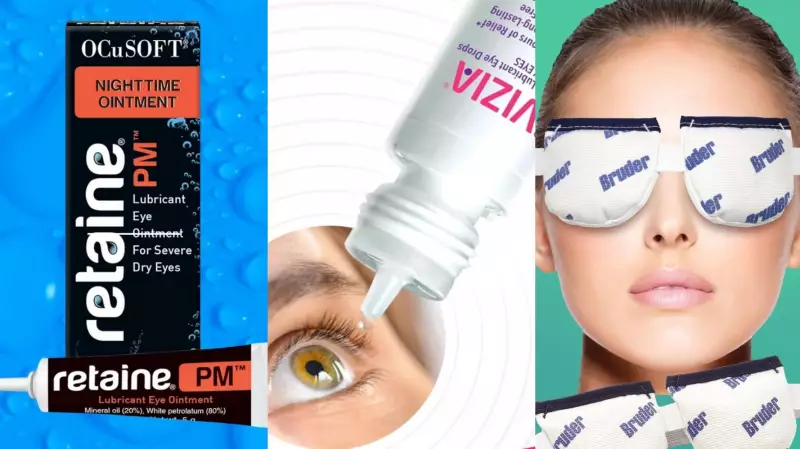
For many individuals, dry eyes become a particularly formidable adversary during the harsh winter months. The condition often manifests as intensely red, bloodshot eyes accompanied by a persistent burning, sticky, or gritty sensation, especially for contact lens wearers who may feel their lenses adhering uncomfortably to the cornea. Standard eye drop applications frequently prove insufficient for genuine relief, prompting a search for more effective solutions.
Understanding Winter's Impact on Eye Health
Dr. Diane Hilal-Campo, a board-certified ophthalmologist based in New Jersey and founder of the eye-safe beauty brand Twenty/Twenty, explains the seasonal challenge. "The wintertime is the worst time for dry eyes," she states, attributing this to the evaporative effects of both dry indoor heating systems and cold, biting outdoor winds on the eye's natural tear film. While she affirms that over-the-counter products can be extremely helpful, she emphasizes that true relief often requires a multifaceted approach beyond occasional artificial tear use.
Essential Product Recommendations for Dry Eye Relief
Dr. Hilal-Campo advocates for several accessible market options and practical tips to combat dry winter eyes comprehensively. The following list details specific brands, formulas, and products she highlights as beneficial. It is important to note that the experts consulted for this article do not necessarily endorse the products mentioned unless explicitly stated otherwise.


- Preservative-Free Artificial Tears in Single-Use Vials
Dr. Hilal-Campo identifies preservative-free artificial tears, such as those from Refresh available in single-use vials, as a reliable and sterile option. She recommends using them at least four times daily for underlying dry eye conditions, or more frequently as needed to soothe and relieve symptoms. These lubricating drops are designed to mimic natural tears and are safe for sensitive eyes. - Sterile, Long-Lasting Lubricating Drops
Bottled preservative-free tears, like the iVIZIA brand, feature a specialized top that filters out bacteria, allowing for multiple uses. These contamination-free drops promise up to eight hours of nourishing relief, help reduce eye strain, and are safe for use with contact lenses. - Eye Drops That Prevent Tear Evaporation
Products such as Systane Balance lubricating drops come in sterile application bottles and work by protecting the eye's lipid layer to prevent tear evaporation. This clinical formula offers temporary relief from common dry eye symptoms like burning and itching. - Nighttime Lubricating Eye Ointment
Using an over-the-counter ointment before bed can be extremely helpful. Dr. Hilal-Campo cites the Retaine OCuSoft PM nighttime eye ointment as an example of a thicker, oil-based formula containing mineral oil and white petroleum. This preservative-free, emollient-rich ointment aims to reduce irritation, prevent morning discomfort, and minimize tear evaporation for severely dry eyes. - Thinner Formula Eye Ointment
For those preferring a less viscous option, the Systane nighttime ointment for severely dry eyes contains less mineral oil, making it somewhat thinner. Application involves placing a pea-sized amount in the lower lid; while it may cause temporary blurry vision upon waking, it helps maintain moisture overnight. - Heated Eye Mask
Applying heat via eye masks, such as the washable and reusable Bruder mask, warms the oils in the meibomian glands, facilitating their release into the tear film. This stabilizes the outer tear film, slowing evaporation. Dr. Hilal-Campo recommends microwaving the mask and wearing it for 10 to 15 minutes twice daily. - Electric Heated Eye Mask
An alternative to microwaveable masks, electric versions feature a built-in heating element and are often filled with natural flax seeds. Their design molds to the contours around the eyes and nose, ensuring greater heat contact for effective relief. - Humidifier for Environmental Moisture
Using a humidifier, like the cool-mist, top-filling model by Levoit, can elevate room humidity to at least 30%, ideally up to 55%. Placing one on a desktop or bedside helps keep eyes and skin hydrated, especially during computer work or sleep when blinking decreases. - Wraparound Glasses for Wind Protection
Wearing wraparound sunglasses or goggles outdoors shields eyes from cold, tear-evaporating winds. Look for scratch-resistant, UV-protective models with side guards to minimize wind exposure, even over existing frames. - Dual-Sip Water Bottle for Hydration
General dehydration reduces the liquid available for tears. Dr. Hilal-Campo notes that people often drink less water in winter. Products like Owala's Free-Sip water bottles, with a clever dual-mouth spout for sipping or swigging, can encourage adequate daily water intake, supporting overall hydration. - Omega-3 Supplements for Tear Support
Over-the-counter omega-3 supplements, such as HydroEye or Blink, contain combinations of oils and flaxseed oil to support the tear's oil layer. Dr. Hilal-Campo suggests a regimen of two capsules morning and night, but advises consulting a personal healthcare practitioner before starting any supplement.
Implementing a Comprehensive Dry Eye Strategy
Effectively managing winter dry eyes involves more than sporadic product use. Dr. Hilal-Campo's recommendations highlight the importance of a consistent routine that includes regular lubrication, environmental adjustments like humidification, protective measures against wind, proper hydration, and nutritional support. By integrating these strategies, individuals can better alleviate the unbearable symptoms of dry eyes and improve their ocular comfort throughout the challenging winter season.