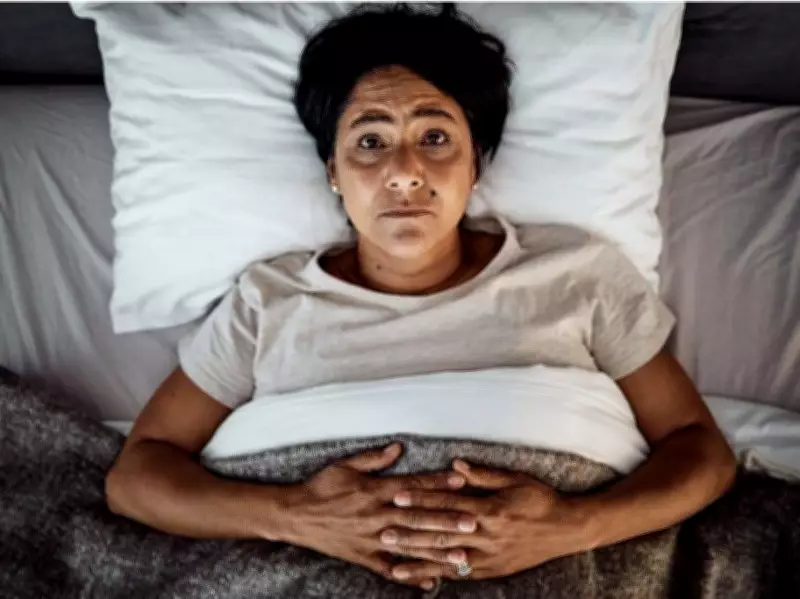
Midlife Transition: Why Millions of Women Remain Unprepared for Menopause
In recent years, public discussions surrounding perimenopause and menopause have gained significant momentum across various platforms. Celebrities are openly sharing their experiences, podcasts are dedicating entire episodes to the topic, and workplace policies are gradually evolving to address these health concerns. While this progress represents important steps forward, a persistent gap remains in everyday understanding and preparation among women navigating this natural life stage.
The Prevalence-Preparation Disconnect
Despite increased visibility, countless women continue to express surprise when encountering the realities of hormonal transition. Common refrains heard in offices, school parking lots, and around kitchen tables include: "I had no idea anxiety could spike without warning," "I had no idea sleep disruption could be this intense," and "I had no idea brain fog could make me question my competence." This knowledge gap persists even as women simultaneously express gratitude for their lives while feeling disconnected from their own experiences.
Perimenopause and menopause are far from niche experiences. Current estimates indicate that approximately 10 million women over age 40 in Canada are navigating this transition, which can span anywhere from two to ten years. While the average age for reaching menopause stands at 51, hormonal shifts frequently begin during the early to mid-40s. According to comprehensive data from the Menopause Foundation of Canada, up to 95 percent of women experience symptoms during this transition, yet nearly half report feeling completely unprepared for what this life stage would actually involve.

The Silent Struggle During Peak Responsibility Years
This chasm between prevalence and preparation creates fertile ground for confusion and misunderstanding. Many women experiencing midlife transitions find themselves in their most responsibility-heavy years, simultaneously managing multiple demanding roles. They are often raising teenagers, supporting aging parents, leading professional teams, running households, and navigating career pivots—all while appearing steady and capable from external perspectives.
Internally, however, many carry accumulated exhaustion that becomes amplified when hormonal shifts begin affecting stress responses, sleep patterns, mood regulation, and cognitive function. Rather than recognizing these changes as natural biological processes, women frequently interpret them as personal failures. They assume they should be coping better, believe they are uniquely struggling, or conclude that something is fundamentally wrong with them as individuals.
Research Reveals Workplace Impacts and Cultural Silence
Recent Canadian research contradicts these assumptions of personal inadequacy. A comprehensive national survey discovered that nearly one in three working women reported menopause symptoms negatively impacting their professional performance. Perhaps more revealing, nearly half of respondents indicated they would feel embarrassed to request support or accommodations for these health concerns in workplace settings.
This cultural silence carries significant consequences. Midlife transitions never occur in isolation—they intersect with numerous identity shifts as children become more independent, careers plateau or change direction, relationships evolve, and economic pressures transform. When hormonal changes overlap with these life transitions, the combined effect can create what feels like a quiet unraveling—not dramatic or sudden, but persistent and draining.
Sleep becomes lighter and less restorative. Patience wears thinner in daily interactions. Confidence in professional and personal abilities begins to waver. Stress tolerance decreases noticeably. Yet despite these widespread experiences, open discussions remain rare in workplaces, community settings, and even within family environments. The gap between biological reality and social preparedness continues to affect millions of women during what should be their most empowered and productive years.