Hong Kong Firm Demands $2 Billion Over Panama's Seizure of Key Canal Ports
A major Hong Kong conglomerate has initiated a substantial $2 billion claim against Panama, following the government's controversial takeover of two critical ports along the Panama Canal. This dramatic move comes in the wake of a Supreme Court ruling that declared the original concession agreement unconstitutional, leading to the occupation of the facilities.
Unconstitutional Concession Sparks Government Action
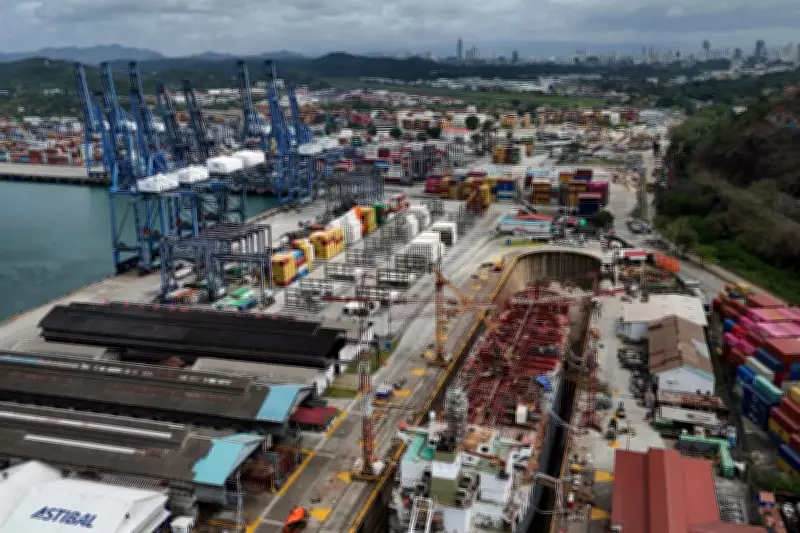
The dispute centers on the Balboa terminal and another key port, which were operated by CK Hutchison's Panama Ports Co. In February 2026, Panama's government ordered the occupation of these ports after the nation's Supreme Court determined that the concession granted to the Hong Kong firm was invalid under Panamanian law. This legal decision has escalated into a significant international financial and diplomatic confrontation.
Strategic Assets at the Heart of the Canal
These ports are not ordinary maritime facilities; they represent vital strategic assets for global trade, positioned along one of the world's most crucial shipping routes. The Panama Canal handles approximately 6% of global maritime trade, making control over its supporting infrastructure a matter of immense economic and geopolitical importance. The seizure directly impacts operations that facilitate the transit of thousands of ships annually.

A $2 Billion Claim for Compensation
CK Hutchison, a diversified multinational with extensive port operations worldwide, is now seeking compensation totaling $2 billion. This claim reflects the substantial investments made in the ports and the anticipated financial losses resulting from the sudden takeover. The company argues that the government's action, based on the court's ruling, constitutes a breach of contractual and investment agreements.
Broader Implications for International Investment
This case raises profound questions about the security of international investments and the stability of legal frameworks in host countries. Foreign companies operating under long-term concessions may view this incident as a cautionary tale, potentially influencing future investment decisions in infrastructure projects globally. The outcome could set a precedent for how similar disputes between sovereign states and multinational corporations are resolved.
Historical Context and Regional Tensions
The Panama Canal has a long history of international involvement and contention, most notably with the United States prior to the handover to Panama in 1999. This latest dispute introduces a new layer of complexity, involving Asian investment in Latin American infrastructure. It occurs amidst a broader global context where control over strategic trade corridors is increasingly contested.
The $2 billion claim marks a pivotal moment in this unfolding saga, with significant ramifications for Panama's economic relations and its reputation as a destination for foreign direct investment. As both sides prepare for what could be a protracted legal and diplomatic battle, the international business community watches closely, aware that the final resolution will echo far beyond the shores of the Panama Canal.