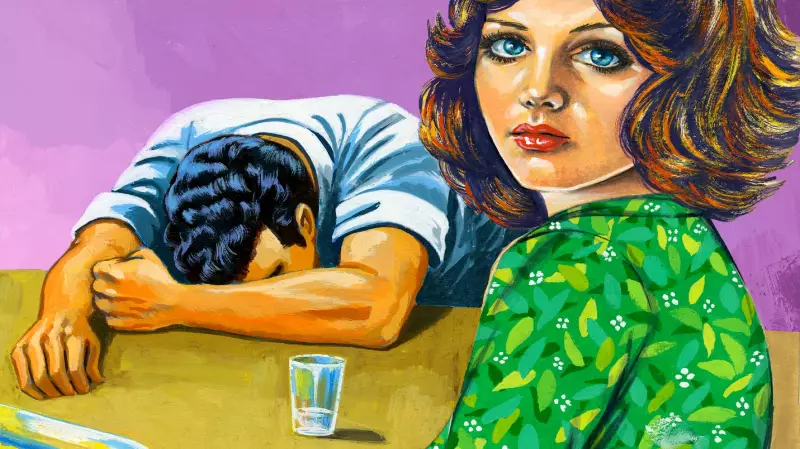
For many men, a night of heavy drinking can lead to an unexpected and frustrating sexual roadblock: the inability to get or maintain an erection, colloquially known as "whiskey dick." This phenomenon, medically termed alcohol-related erectile dysfunction, is a common but seldom discussed consequence of overindulgence.
The Personal Experience of Performance Challenges
Garrett, a 32-year-old sales executive from Seattle, described the sensation as his body cutting power at the worst possible time. He views it as his brain's protective mechanism, signaling he's not sober enough to "use this responsibly." His positive experience was largely due to his partner's understanding reaction, which prevented shame and anxiety. Similarly, Kelvin, 31, from Sydney, notes that while he can "get his motor running" after drinking, reaching climax becomes a prolonged and uncertain process, often requiring an apology to his partner.
These anecdotes highlight a widespread issue where alcohol consumption directly interferes with sexual performance, despite initial intentions to use it as a social lubricant.

The Medical Mechanics of "Whiskey Dick"
Dr. Mike Bohl, a senior medical writer, explains that achieving an erection is a complex four-step process easily disrupted by alcohol. First, sexual arousal requires concentration, which intoxication impairs. Second, alcohol acts as a central nervous system depressant, slowing the brain signals needed to initiate an erection. Third, alcohol's dehydrating effect reduces blood volume, limiting the blood available to fill penile tissue. Fourth, alcohol causes blood vessels to constrict, preventing the necessary relaxation and rush of blood into the penis.
Urologist Dr. Aaron Spitz, author of "The Penis Book," emphasizes that even if an erection is achieved, climax can remain elusive due to these same neurological and vascular dampening effects.
Is Any Alcohol Safer?
The term "whiskey dick" is a misnomer; the issue is linked to alcohol content, not the type of spirit. Dr. Spitz confirms there is no "good" or "bad" alcohol in this context. While wine contains beneficial phytonutrients, it can still lead to performance issues. Dr. Bohl suggests that opting for lower-proof beverages like beer or wine, or having mixed drinks instead of straight liquor, may help reduce total alcohol intake and mitigate the risk.
The unanimous medical advice is clear: moderation is the only reliable preventative strategy.
Not Just a Male Problem: "Whiskey Clit" and Other Substances
Women are not immune to alcohol's sexual dampening effects. Sex therapist Dr. Stephen Snyder notes that alcohol suppresses arousal in the female brain, leading to decreased blood flow to the vagina and clitoris. This results in reduced natural lubrication and greater difficulty reaching orgasm, a phenomenon sometimes called "whiskey clit."
The conversation extends beyond alcohol. While some men report enhanced sexual experience with cannabis, preliminary research indicates high doses or daily use may also contribute to erectile dysfunction, though more study is needed. Conversely, stimulants like cocaine and Adderall are well-known for causing "coke dick"—increased libido paired with an inability to get erect.
What to Do (and What Not to Do) in the Moment
If you find yourself affected, quick fixes are limited. Dr. Bohl states that time and hydration are your best allies, as the body must metabolize the alcohol before normal function resumes. Popping a pill like Viagra is ineffective, as excess alcohol depletes the nitric oxide needed for such medications to work.
Garrett's personal recovery plan includes a lukewarm shower, two glasses of water, and non-sexual intimacy like cuddling. The most critical factor, however, is having a supportive and understanding partner to reduce performance pressure and anxiety.
When It's a Sign of a Bigger Issue
Occasional whiskey dick is a temporary biochemical reaction. However, Dr. Spitz warns that chronic alcohol abuse is a nerve toxin that can permanently damage the nerves stimulating the penis. Repeated episodes may signal an underlying alcohol problem, warranting professional help.

Ultimately, the experts suggest a paradigm shift: instead of drinking to excess, focus on the natural high of genuine arousal and connection. As Dr. Snyder advises, plan intimacy before a night of celebration, not after. Your body—and your partner—will thank you.