The Rise of 'Mar-a-Lago Face' in Political Circles
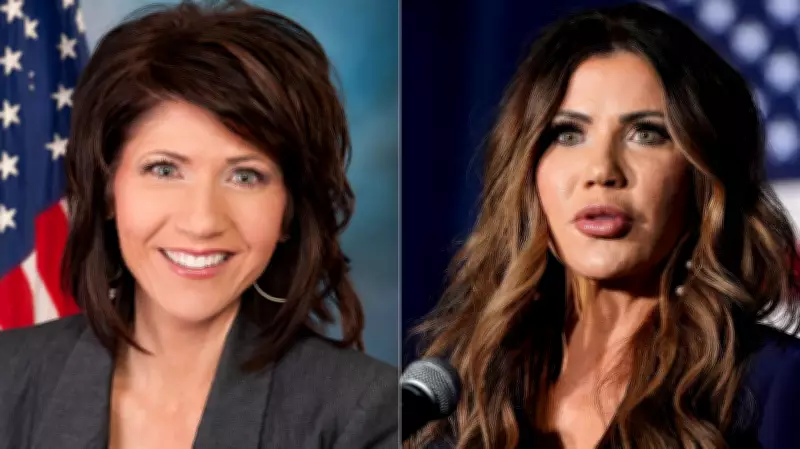
Within certain political spheres, a distinctive aesthetic has emerged that goes beyond conventional beauty standards. Dubbed "Mar-a-Lago face" after President Donald Trump's exclusive Palm Beach club, this look represents more than just cosmetic enhancement—it has become a visible marker of belonging within MAGA circles.
The Components of the Look
The Mar-a-Lago aesthetic typically involves multiple cosmetic procedures working in concert. It often begins with lip injections, followed by Botox treatments that create taut, smooth skin. Cheek fillers restore volume to facial contours, while a golden tan completes the base appearance. Additional elements frequently include lash extensions, dental veneers, and carefully styled hair with beachy waves.
Heavily contoured makeup completes the transformation, creating what some observers describe as a drag-adjacent or Kardashian-esque appearance. The overall effect is intentionally noticeable rather than subtle, with some commentators comparing it to gender-affirming care in its exaggerated femininity.

The Financial Investment and Status Signaling
This distinctive look comes with a substantial price tag. Plastic surgeons estimate that achieving the complete Mar-a-Lago transformation can cost between $90,000 and $300,000, depending on the surgeon's reputation and ongoing maintenance requirements. The significant financial commitment is precisely what makes it appealing as a status symbol.
As author Shanna Miles observed regarding visible lip filler, "It doesn't have to look good. It's about looking 'done.'" The aesthetic functions as a class marker, demonstrating both the financial resources and cultural capital necessary to achieve it. In Trump's political world, where appearance often intersects with perception, looking expensive has become its own form of currency.
Political Allegiance Through Aesthetics
Beyond mere status signaling, the Mar-a-Lago face communicates political allegiance. According to Samantha Kwan, a sociology professor at the University of Houston, "By investing large sums of money into these procedures, as well as upkeep, this aesthetic is not only a status symbol, but a highly recognizable symbol that they're a MAGA devotee."
The look aligns with what Trump has publicly described as his aesthetic preferences, creating a visual language of loyalty within his political sphere. This connection between appearance and political alignment has become particularly pronounced since Trump's second term began, with plastic surgeons in Washington reporting increased requests for more "noticeable" looks from conservative clients.
The Psychological and Social Dynamics
Several factors contribute to the popularity of this aesthetic within specific political circles. Professor Ruth Holliday of the University of Leeds notes that cosmetic surgery "has the double-function of marking a body as valuable whilst adding value to it. It's an investment, and investing in your body under neoliberalism is key to being a healthy citizen ready for hard work."
Jennifer Newman Keagle, a board-certified plastic surgeon in Los Angeles, suggests that some women in MAGA circles may experience "filler blindness"—becoming accustomed to the exaggerated look because it's what they see around them most frequently. "Once you look at it in the mirror and see it again and again, it becomes your norm," she explains.
Gender Dynamics and Power Structures
The Mar-a-Lago phenomenon exists within broader gender dynamics in Trump's political world. Laurie Essig, a professor at Middlebury College, observes that "the women of the Trump movement, their facial disfigurations signal loyalty and a willingness to submit." The highly produced feminine appearance complements what Essig describes as "the very fragile and also highly produced masculinity of the movement's leaders."
This dynamic extends to male politicians as well, with reports of increased interest in jaw and chin implants among Washington figures seeking a more masculine appearance. Former Representative Matt Gaetz's apparent cosmetic enhancements before the 2024 Republican National Convention exemplify this trend toward what some call "sexual dimorphism"—exaggerated gender characteristics through surgical means.

Ageism and Cultural Implications
The Mar-a-Lago aesthetic raises significant questions about ageism within political culture. Essig notes that prominent women in Trump's circle, such as 56-year-old Kimberly Guilfoyle and 54-year-old Kristi Noem, feel pressure to maintain a youthful appearance despite being in their fifties. "It all suggests a deep hatred of what women might look like as they age," Essig observes.
The phenomenon reflects broader cultural attitudes toward aging, particularly for women in public life. The substantial resources devoted to maintaining this specific appearance suggest that looking "post-menopausal" carries particular disadvantages within these political circles.
The Future of Political Aesthetics
As the Mar-a-Lago look spreads beyond political circles to influence broader cosmetic trends, questions arise about its longevity. Plastic surgeons in both Washington and Palm Beach report increasing interest in this aesthetic among non-political clients, suggesting its influence may be expanding.
However, Dr. Keagle predicts a pendulum swing back toward more natural appearances eventually. "I'm not sure if the Mar-a-Lago face will persist post-Trump, but who knows?" she says, noting that similar looks have been popular in various American regions for years, exemplified by long-running reality television franchises.
The Mar-a-Lago face represents more than just a cosmetic trend—it's a complex intersection of politics, class, gender, and cultural values that reveals much about contemporary power dynamics and social signaling in specific American political circles.