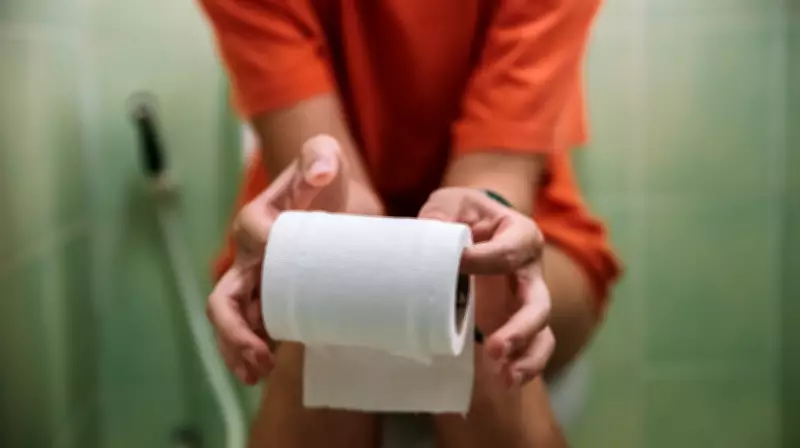
The Hidden Danger of Your Toilet Routine: Prolonged Sitting Linked to Hemorrhoids
If you have never experienced hemorrhoids, consider yourself fortunate. For those who have, the intense discomfort of this common digestive condition is all too familiar. Characterized by pain, itching, irritation, and sometimes bleeding in the anal region, hemorrhoids involve swollen veins in the anus and lower rectum. While treatable with medical care, one everyday toilet habit significantly increases your risk, according to gastroenterologists.
Why Prolonged Toilet Sitting Causes Problems
Many people enjoy reading or scrolling through social media while on the toilet, but this seemingly harmless habit may be setting the stage for hemorrhoids. Dr. David L Schwarzbaum, a gastroenterologist, explains that hemorrhoids become symptomatic when blood vessels in the lower rectum and anus become enlarged or inflamed.
"One common cause is due to sitting on the toilet for a prolonged time," Schwarzbaum states. "When one's bottom is in the space of the toilet seat, blood pools in the lowest point, increasing pressure in the anal blood vessels and leading to hemorrhoids."

Dr. Prasun Shah, a gastroenterologist with Memorial Hermann, adds that gravity exacerbates the issue during extended sitting, impairing circulation. "Sitting for a prolonged period can impair blood flow to and from the rectal area, leading to blood pooling in the veins and causing them to swell," he notes.
The Ideal Time Limit and Other Risk Factors
So, how long is too long on the toilet? Schwarzbaum recommends limiting bowel movements to 10-15 minutes maximum to reduce hemorrhoid risk. He advises against using phones or reading materials during this time, suggesting that if you need a break, sit on the closed toilet seat instead.
However, reducing toilet time should not involve excessive straining, which also increases pressure in anorectal blood vessels. Schwarzbaum counsels patients to respond to the urge to defecate promptly, avoid straining, and try again later if necessary rather than forcing a bowel movement.
Comprehensive Prevention Strategies
Beyond toilet habits, several lifestyle factors play crucial roles in hemorrhoid prevention. Dr. George Pavlou of Gastroenterology Associates of New Jersey emphasizes:
- Drinking plenty of fluids
- Maintaining a high-fiber diet
- Regular exercise
- Avoiding excessive straining during bowel movements
Schwarzbaum highlights preventing constipation as key, recommending 25-30 grams of fiber daily and adequate hydration. If dietary measures are insufficient, stool softeners or laxatives may be necessary under medical guidance.
Shah offers additional practical tips:
- Do not delay bowel movements, as holding it in can make stool drier and harder to pass
- Keep the anal area clean using moist wipes or water instead of dry toilet paper to prevent irritation
- Use a footstool to elevate feet slightly while sitting on the toilet, achieving a more natural squatting position that reduces straining
When Hemorrhoids Are Inevitable and Seeking Help
Certain situations, like pregnancy, make hemorrhoids more likely regardless of habits. However, implementing these lifestyle adjustments and minimizing toilet sitting time can reduce their frequency and severity.
If you experience hemorrhoids or have chronic issues, consult a healthcare provider. They can help identify underlying causes and develop personalized treatment and prevention plans. While hemorrhoids are uncomfortable, understanding and modifying risk factors like prolonged toilet sitting can make a significant difference in managing this common condition.