Plant-Rich Diets Associated with Reduced Dementia Risk in Later Life
Consuming a high-quality diet rich in plants, such as whole grains, vegetables, and fruits, may significantly lower the risk of developing dementia, according to recent findings. This protective effect appears to hold true even for individuals in older age groups, offering a promising dietary strategy for cognitive health maintenance.
Key Dietary Components for Brain Protection
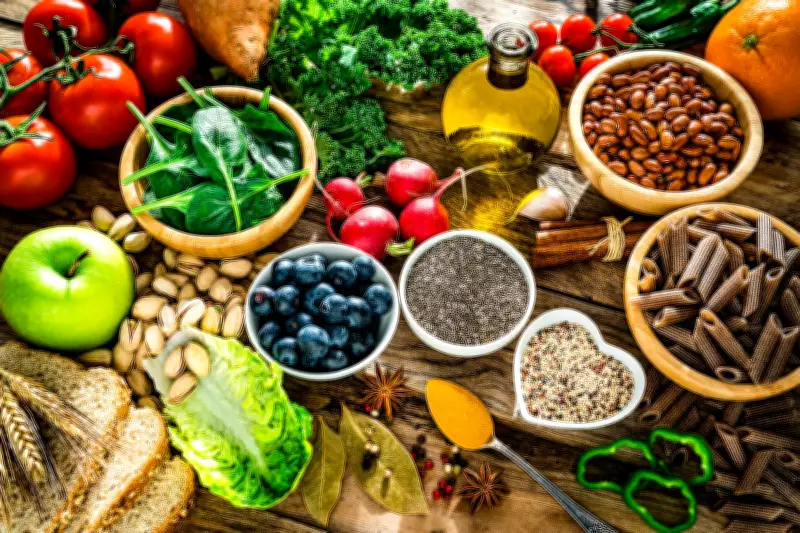
The study emphasizes the importance of a plant-focused nutritional approach that prioritizes whole, unprocessed foods. Key elements include:
- Whole grains: Such as oats, quinoa, and brown rice, which provide sustained energy and fiber.
- Vegetables: Especially leafy greens and colorful varieties, packed with antioxidants and vitamins.
- Fruits: Like berries and citrus, known for their anti-inflammatory properties.
Researchers suggest that these foods contribute to better brain function by reducing inflammation and oxidative stress, both of which are linked to cognitive decline.

Implications for Aging Populations
With dementia cases rising globally, this research highlights a modifiable lifestyle factor that could help mitigate risk. Experts note that adopting a plant-rich diet later in life may still offer benefits, challenging the notion that dietary changes are only effective when started young. This finding is particularly relevant for older adults seeking to preserve their mental acuity and independence.
Further studies are needed to explore the mechanisms behind this link and to develop specific dietary guidelines. However, the current evidence supports integrating more plant-based foods into daily meals as a proactive step toward brain health.