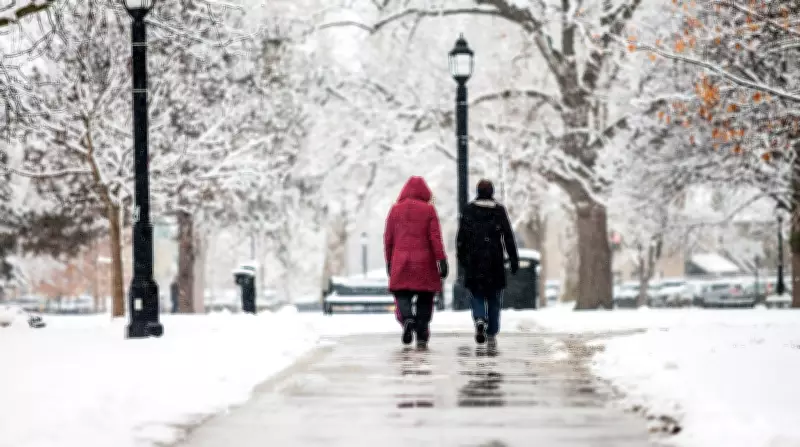
Penguin Walk: The Expert-Recommended Technique to Avoid Slipping on Ice
Icy sidewalks, driveways, and walking trails pose a significant danger during winter months, with approximately 800,000 people requiring medical attention each year due to slip-and-fall accidents, according to data from the Mayo Clinic. Even minor incidents can result in painful scrapes, bruises, and other injuries, making prevention crucial for public health.
The Alarming Statistics of Winter Falls
Dr. Kariline Bringe, an orthopedics surgeon at Mayo Clinic Health System in La Crosse, Wisconsin, emphasizes the frequency and severity of these accidents. "These falls are quite frequent... 1 in 5 of them actually end up in an injury that requires care," she explains. "So, if we eliminate the fall, we'll eliminate those injuries." This stark reality underscores the importance of adopting effective safety measures when navigating icy conditions.
Mastering the Penguin Walk Technique
Experts unanimously recommend a simple yet effective strategy: walk like a penguin. Monica Leach, a physical therapist and board-certified clinical specialist in geriatric physical therapy at the Cleveland Clinic, describes this method as both practical and visually distinctive. "It's called penguin walking because you do kind of look like a penguin while you're doing this type of walk," she notes.

Leach outlines the key steps to execute the penguin walk correctly:
- Bend your knees slightly to maintain an active, ready position that allows for quick reactions if needed.
- Point your feet slightly outward and extend your arms to the sides to enhance balance and stability.
- Walk slowly with a flat foot or shuffle step, keeping your center of gravity directly over your feet while leaning forward slightly.
Dr. Bringe highlights the scientific rationale behind this technique. "As it gets icy out there and things get slippery, the larger our steps, the more force you're coming across. It's going to increase the likelihood that you slip," she explains. Conversely, penguin-like steps—characterized by their small, slow, and shuffled nature—reduce slipping risk by minimizing momentum and maintaining better control. "If you do slip, you don't have so much momentum behind it. So you're less likely to slide a long way," Bringe adds.
Additional Winter Safety Tips from Experts
Beyond the penguin walk, several other precautions can significantly enhance safety during icy conditions:
- Keep hands free and visible: Avoid putting hands in pockets or holding phones while walking. Dr. Bringe warns that phones distract from examining surfaces for ice, while Leach emphasizes that free arms improve balance and provide a chance to catch yourself if falling.
- Wear appropriate footwear: The Mayo Clinic recommends shoes or boots with deep-grooved, nonskid, rubber treads to maximize traction on slippery surfaces.
- Stay aware of your surroundings: Regularly look up to avoid obstacles and down to identify potential icy patches. Leach advises treating all dark, wet areas as potentially slippery and sticking to clear, well-trodden paths rather than taking shortcuts.
- Prepare in advance: Monitor weather forecasts and complete essential tasks like grocery shopping before storms hit to minimize unnecessary outdoor exposure.
- Use assistive devices if needed: Those requiring walkers or canes should ensure they have these tools when venturing out in snowy conditions.
The overarching theme from experts is caution and patience. "It's better to be safe than sorry, so take your time," Leach concludes, reinforcing that slowing down is a critical component of the penguin-walking technique and overall winter safety.