The Critical 10-Second Balance Test for Healthy Aging and Fall Prevention
When considering the multifaceted aspects of healthy aging, one factor stands out as particularly crucial: the risk of falls. According to comprehensive data from the Centers for Disease Control, a staggering one in four adults aged 65 and older experiences a fall each year. Many of these incidents result in serious consequences, including hospitalization, extensive medical treatment, or significant lifestyle alterations due to injury.
"One of the most significant concerns we face as geriatricians working with older adults is falls, because they frequently lead to severe injuries," emphasized Dr. Maureen Dale, an associate professor of geriatric medicine at the University of North Carolina at Chapel Hill School of Medicine. She further explained that falls can cause devastating outcomes such as hip fractures, vertebral fractures, and even more serious trauma, all of which profoundly impact the daily lives and independence of older individuals.
The Paramount Importance of Balance in Fall Prevention
"Preventing falls is absolutely essential for our aging patients, and one of the most effective strategies is ensuring people maintain good balance," Dr. Dale stated. This concern is especially critical for post-menopausal women who may experience reduced bone density, according to Dr. James F. Wyss, a spine and sports medicine physiatrist at the Hospital for Special Surgery in New York.

Dr. Wyss highlighted a common misconception in fracture prevention: "Frequently, the emphasis is placed on improving bone density through strength training or medication. However, the most effective way to prevent a fracture is to prevent the fall itself. While strengthening bones is beneficial, eliminating the fall risk entirely provides complete protection."
The 10-Second Balance Benchmark: A Vital Health Indicator
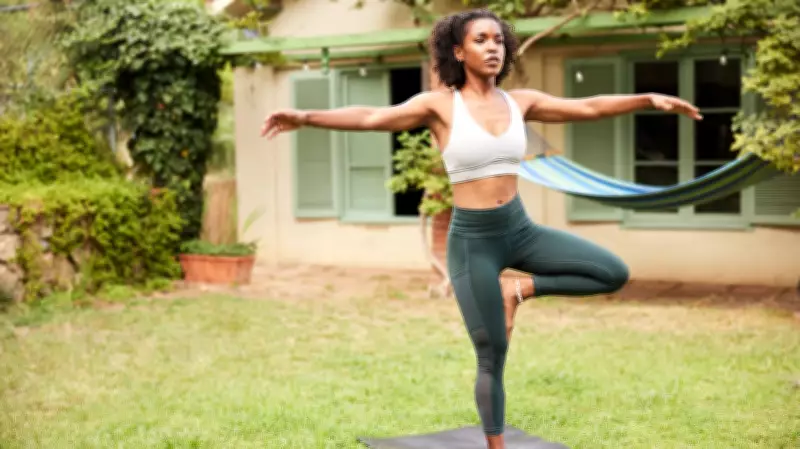
Research clearly demonstrates that adults should be capable of balancing for extended periods, with a specific benchmark emerging as particularly important. "Individuals should ideally be able to stand on one foot for approximately 10 seconds while maintaining their balance," Dr. Dale advised. "If someone cannot achieve this, it warrants discussion with their primary care provider or physician to explore potential interventions."
Janice McGrail, a physical therapist at Mass General Brigham's Spaulding Rehabilitation, noted that while 10 seconds represents the minimum goal, maintaining balance for up to 30 seconds indicates even better stability. The inability to balance for 10 seconds serves as a significant warning sign, according to Dr. Wyss, who explained that research shows such individuals face a substantially higher risk of falls. Those who cannot maintain balance for even five seconds confront an even greater risk.
Underlying Causes and Medical Interventions for Balance Issues
Difficulty with single-leg balance can signal various underlying health concerns. "Sometimes the issue stems from mild weakness in leg muscles, requiring an exercise or physical therapy program focused on strengthening those muscles and the core muscles that support balance," Dr. Dale noted.
Balance problems may also originate from medications or nutritional deficiencies, particularly vitamin B12 deficiency. Additionally, sensory changes such as reduced sensation in the feet and legs can significantly impact stability. "Numerous interventions can support and promote healthy balance in individuals. That's why the initial step should always involve consulting your primary care provider," Dr. Dale explained, emphasizing that medical professionals can help identify causes and develop appropriate solutions.
Practical Strategies for Improving Balance Safely at Home
Incorporating balance work into daily routines represents a simple starting point, provided your doctor confirms it's safe. Janice McGrail suggests integrating balance exercises into habitual activities, such as standing on one foot while brushing teeth or waiting for food to heat in the microwave. For those feeling steady, trying a tandem stance with one foot directly in front of the other, mimicking walking on a balance beam, offers another option.

"When recommending home balance exercises, I always instruct people to stand at a kitchen counter or sink where they can hold on if needed," McGrail emphasized. "Placing a chair behind you provides additional safety, allowing you to sit down rather than falling to the floor if you lose balance."
For individuals not yet ready for single-leg standing, Dr. Wyss recommends practicing balance by walking on toes or heels throughout the house. Those who easily balance during routine activities can advance their training by incorporating balance into workouts, such as performing bicep curls while standing on one foot.
Lifelong Balance Maintenance and Professional Support
"I typically advise people in their 40s and 50s to begin incorporating more balance training into their regular routines," Dr. Wyss explained. Regular exercise three times weekly effectively improves and maintains balance, according to Dr. Dale. Programs like tai chi, yoga, and the evidence-based Otago physical therapy program have demonstrated significant benefits for stability enhancement.
Janice McGrail stressed that it's never too late to work on balance, and small, consistent steps can yield improvement for anyone who remains active. Seeking support from doctors or physical therapists can lead to personalized, safe balance-building programs. Even for those not currently concerned about balance, regular medical check-ups and management of chronic conditions like diabetes, heart disease, and vascular disease are crucial for maintaining health and preventing future balance issues.
"Effectively managing these chronic conditions is essential for our current health and for preserving our stability and well-being as we age," Dr. Dale concluded, highlighting the comprehensive approach needed for successful aging and fall prevention.