In a significant shift for American public health policy, the United States federal government has formally reduced the number of vaccinations it recommends for all children. The announcement marks a major change to the nation's long-standing immunization schedule.
A New Direction Under Secretary Kennedy
The policy revision was announced by the U.S. Department of Health and Human Services, led by Secretary Robert F. Kennedy, Jr.. Kennedy, who assumed the role in the current administration, has been a vocal critic of certain vaccine mandates and the scope of the childhood immunization schedule in the past.
The decision was finalized and made public on January 05, 2026. While the exact details of the new, streamlined schedule were not fully disclosed in the initial announcement, the move represents the most substantial alteration to the U.S. Centers for Disease Control and Prevention's (CDC) recommended vaccine roster in decades.

Context and Political Landscape
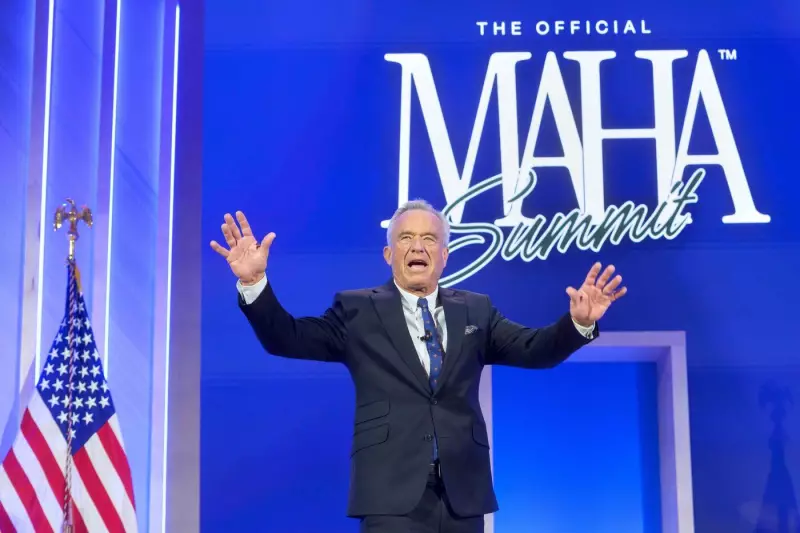
The policy change was foreshadowed during the "Make America Healthy Again" summit held in Washington, D.C., on November 12, 2025. Secretary Kennedy was a featured speaker at the inaugural event, which was held at the Waldorf Astoria. His appearance there signaled the administration's intent to pursue a different path on public health and preventive care.
This development is likely to spark intense debate among pediatricians, public health experts, and parents. Proponents of the change argue for a more targeted approach to immunization, while many in the medical community have historically supported the comprehensive schedule as a vital tool for preventing outbreaks of serious diseases.
Implications and Next Steps
The reduction of government-recommended vaccines will have immediate implications for:
- School entry requirements across various states.
- Pediatric care guidelines followed by doctors nationwide.
- Parental decision-making regarding their children's healthcare.
- Public health funding and vaccine procurement strategies.
It remains to be seen how individual states will respond, as many have their own laws governing immunizations for school attendance. The announcement sets the stage for potential legal and legislative battles in jurisdictions that may choose to maintain more extensive requirements.
This move by the U.S. government is being closely watched by health authorities in Canada and around the world, as shifts in American public health policy often have international ripple effects. Canadian health officials may face increased questions from the public regarding their own national immunization guidelines.