Overdose Alerts Issued in Brantford and Waterloo Region
Public health officials have issued urgent overdose alerts for the Brantford area and Waterloo Region, signaling a heightened risk of dangerous substances in the local drug supply. The alerts, announced on February 26, 2026, come amid ongoing concerns about the opioid crisis affecting communities across Ontario.
Details of the Public Health Warnings
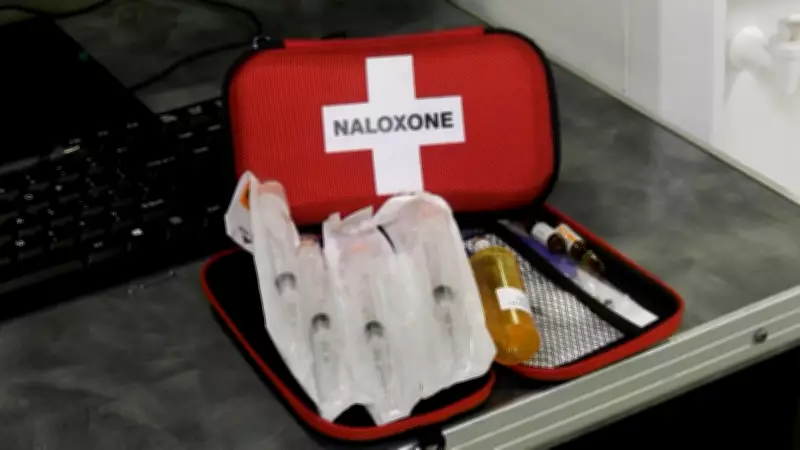
The specific alerts warn residents about the presence of potent opioids and other adulterants that could lead to an increased number of overdoses. Authorities are urging extreme caution for individuals who use drugs, advising them to never use alone and to have a naloxone kit readily available. Naloxone is a life-saving medication that can temporarily reverse the effects of an opioid overdose, and it is distributed freely at many pharmacies and health centers.
Community response teams are on high alert, coordinating with local emergency services to monitor the situation closely. The alerts highlight the unpredictable nature of the street drug market, where substances may be mixed with fentanyl, carfentanil, or other synthetic opioids that are significantly more powerful and dangerous than typical narcotics.

The Critical Role of Naloxone in Overdose Reversal
Naloxone, often administered via nasal spray or injection, works by blocking opioid receptors in the brain, rapidly restoring normal breathing in someone experiencing an overdose. Health experts stress that carrying naloxone can mean the difference between life and death, especially during such alert periods. Training on how to use naloxone is widely available, and many community organizations offer free kits to at-risk individuals and their loved ones.
In addition to naloxone access, public health recommendations include:
- Using drugs in the presence of others who can call for help if needed.
- Starting with a small test dose to check potency.
- Avoiding mixing drugs with alcohol or other depressants.
- Calling 911 immediately if an overdose is suspected, as naloxone's effects are temporary and medical follow-up is essential.
Broader Context of the Opioid Crisis
These alerts are part of a larger, troubling trend across Canada, where opioid-related deaths and hospitalizations have surged in recent years. Factors contributing to the crisis include the proliferation of potent synthetic opioids, mental health challenges, and barriers to accessing treatment and harm reduction services. Public health agencies continue to advocate for comprehensive strategies that combine prevention, treatment, and harm reduction to address the root causes and save lives.
Residents in Brantford and Waterloo Region are encouraged to stay informed through local health unit communications and to seek support if they or someone they know is struggling with substance use. Community resources, including addiction counseling and safe consumption sites, play a vital role in mitigating the impact of these dangerous alerts.