Ontario Government Withdraws Funding for Ottawa's Supervised Consumption Sites
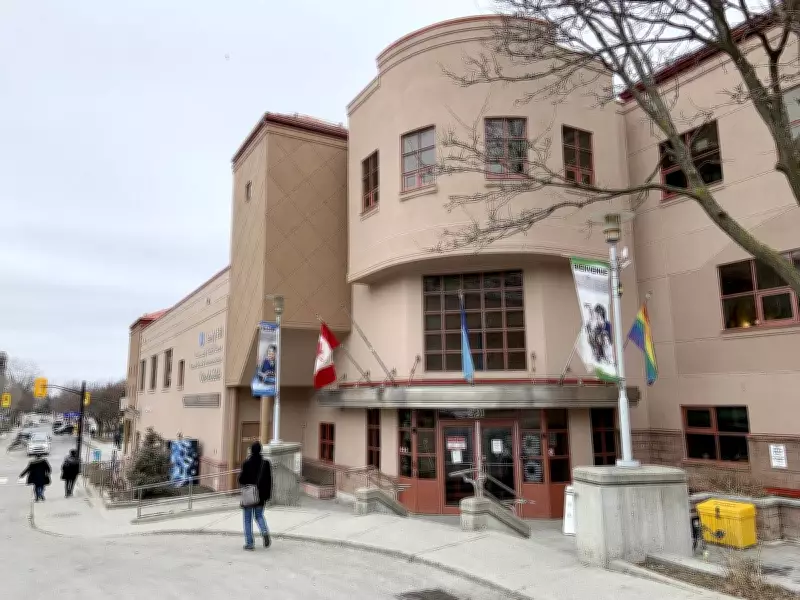
The Ontario government has announced it will terminate funding for Ottawa's two remaining supervised consumption sites in June, a decision that health officials warn will lead to increased preventable overdoses and place additional strain on emergency and healthcare services. The sites operated by Sandy Hill Community Health Centre and Ottawa Inner City Health will cease operations on or before June 13, following a 90-day notice period.
Health Officials Express Deep Concern Over Sudden Decision
Rob Boyd, Chief Executive Officer of Ottawa Inner City Health, and Robin McAndrew, Executive Director of Sandy Hill Community Health Centre, have described the provincial government's funding withdrawal as sudden and deeply concerning. Both organizations acknowledge that their sites will likely close by the deadline, with Boyd noting that staff may begin leaving earlier to secure other employment, potentially disrupting services before the official closure date.
The Trailer, operated by Ottawa Inner City Health at Shepherds of Good Hope, is Ontario's busiest supervised consumption site, employing approximately 45 full- and part-time staff and averaging between 600 and 1,000 injections weekly. Boyd emphasized that defunding will not stop drug use but will displace it into the community, creating new public health challenges.

Provincial Pattern of Site Closures
Boyd stated he was not surprised by the decision, given that the provincial government has already closed two supervised consumption sites in Ottawa and others across Ontario. Premier Doug Ford has previously expressed concerns about the impact of such sites on neighborhoods. "The writing was on the wall that they were coming after all the sites eventually," Boyd remarked, adding that he had held some hope the Trailer might be spared due to its critical role.
This funding cut follows a broader provincial shift toward alternative addiction recovery models, including HART (Homeless and Addiction Recovery Treatment) Hubs, which offer integrated services like primary care, mental health support, addiction treatment, social services, and transitional housing. However, Boyd noted that the population served by the Trailer—primarily homeless individuals living in shelters—faces significant barriers to accessing these recovery programs.
Consequences and Alternative Solutions
Health officials predict that closing these sites will result in more public drug use and increased overdoses, overwhelming emergency responders and healthcare facilities. Boyd highlighted the need for additional supports and alternative responses to the drug crisis, such as funding for mobile response units and community-based programs like the block leader initiative, which helps individuals rebuild their lives.
The closest HART Hub to the ByWard Market area is at Somerset West Community Health Centre, whose supervised consumption site was shut down in 2025. This leaves a significant gap in services for vulnerable populations in central Ottawa, raising questions about how the province plans to address the ongoing opioid crisis without these critical harm reduction facilities.
As the June deadline approaches, community health leaders continue to urge the Ontario government to reconsider its decision, emphasizing that supervised consumption sites save lives, reduce public health risks, and provide essential connections to broader healthcare services for some of Ottawa's most marginalized residents.