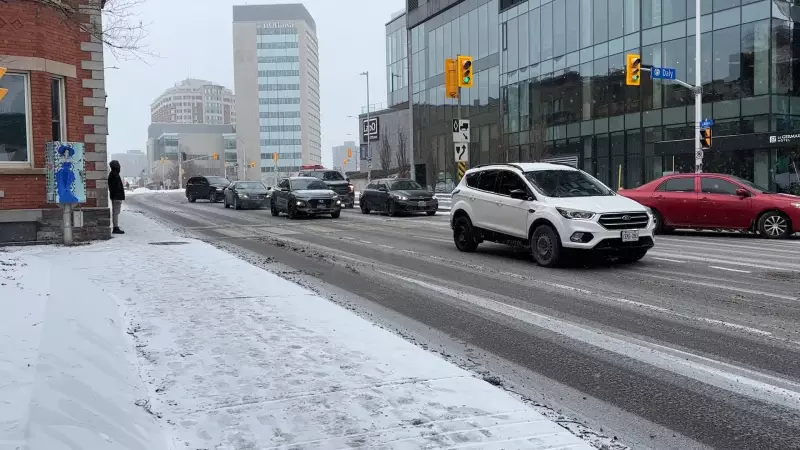
Emergency shelters in Ottawa are facing mounting pressure as a severe cold snap descends on the capital, with temperatures dropping to a biting -18 degrees Celsius on Sunday, December 7, 2025. The sudden plunge has triggered urgent capacity concerns among service providers, who are scrambling to accommodate a surge in demand from vulnerable residents seeking refuge from the dangerous conditions.
Shelters Stretched to the Limit
The arrival of extreme winter weather has exposed the fragile capacity of the city's shelter system. Frontline organizations report that facilities are operating at or beyond their limits, with staff expressing deep worry about their ability to provide safe, warm spaces for everyone in need. This annual winter crisis is exacerbated by a combination of rising homelessness and the immediate, life-threatening risks posed by such low temperatures.
Community advocates emphasize that exposure to -18°C weather poses severe health risks, including frostbite and hypothermia, which can set in within minutes. The cold weather alert for the region underscores the critical nature of the situation, turning the shelter capacity issue from a chronic challenge into an acute emergency.

Community Response and Systemic Challenges
In response to the crisis, outreach teams have intensified their efforts, patrolling streets to encourage people to come indoors and distributing essential winter survival gear. However, these stopgap measures highlight a larger, systemic problem of insufficient affordable housing and year-round shelter resources.
The strain on Ottawa's shelters is not an isolated incident but part of a broader national conversation about housing insecurity, particularly during the harsh Canadian winter. The timing of this cold snap, early in the season, raises alarms about how the system will cope during the typically colder months of January and February.
Looking Beyond the Immediate Crisis
While the immediate focus is on saving lives during this extreme weather event, the situation reignites calls for long-term solutions. Experts and service providers argue that reactive measures are insufficient and that sustained investment in supportive housing, increased shelter funding, and poverty reduction strategies are necessary to prevent this annual scramble.
The crisis in Ottawa serves as a stark reminder of the human cost of extreme weather and the urgent need for resilient social infrastructure. As the cold persists, the community's ability to protect its most vulnerable members remains a pressing test of both compassion and policy.