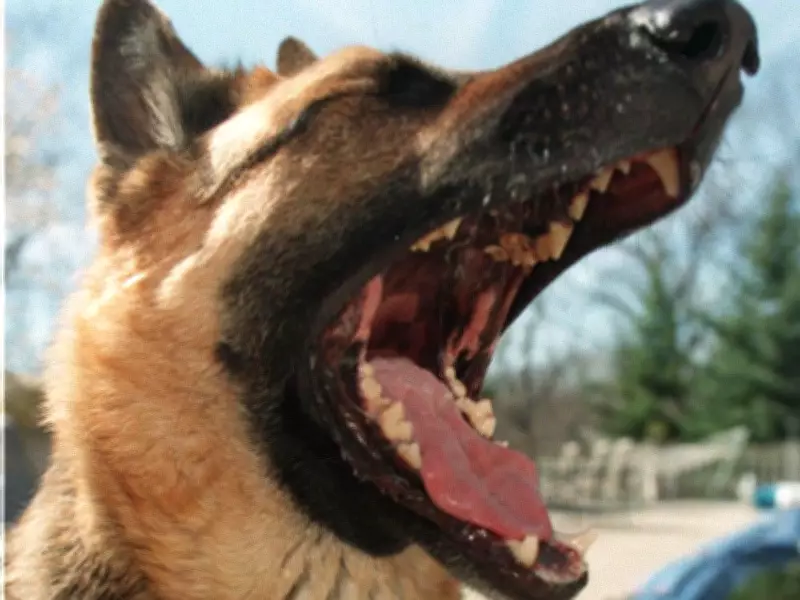
Ottawa Sees Notable Drop in Dog Bite Incidents and Related Charges
According to a recent report presented to Ottawa's Emergency Preparedness and Protective Services Committee, the number of dog bites and attacks reported to city bylaw officials has decreased by almost one-third over the past three years. This significant decline highlights positive trends in animal control and public safety within the municipality.
Detailed Statistics Reveal Consistent Downward Trend
The data shows a clear reduction in reported incidents. In 2023, there were 845 dog bites and attacks reported in Ottawa. This number dropped to 711 incidents in 2024 and further decreased to 577 incidents in 2025. Concurrently, bylaw officers laid 172 charges in 2023, 180 charges in 2024, and 127 charges in 2025, indicating a recent decline in enforcement actions as well.
It is important to note that reports of dog attacks and bites include all incidents, ranging from minor scratches and bruises to more severe cases, and even include situations where a dog lunged or displayed aggression toward a person or another dog. The city acknowledges that some reports are not substantiated or may be duplicates.

Muzzle Orders and Rabies Investigations Provide Context
Under Ottawa's Animal Care and Control bylaw, bylaw officers have the authority to issue muzzle orders if a dog is involved in a confirmed bite or attack, regardless of severity. The data indicates 165 muzzle orders were issued in 2023, followed by 174 in 2024, and 119 in 2025.
Interestingly, dog owners appealed approximately half of these muzzle orders to the Animal Control Tribunal. Grounds for appeal can include mitigating circumstances, proof of enrollment in behavior and training classes, or successful arguments that the incident was isolated. Over the past three years, all but one muzzle order were lifted on appeal, and bylaw officials report rarely receiving repeat complaints about dogs once orders are lifted.
In contrast to the decline in bite reports, Ottawa Public Health rabies investigations involving dog bites and scratches have remained steady at slightly more than 1,000 cases annually over the same three-year period. OPH recommends post-exposure prophylaxis vaccinations in about 100 cases per year. All cats, dogs, and ferrets in Ottawa are required to be vaccinated against rabies, and OPH investigates all reports of animal bites or scratches involving humans to assess rabies risk, potentially requiring a 10-day observation period.
Legal Framework and Enforcement Powers
Bylaw officers possess the authority to lay charges in dog-related incidents under Ottawa's Animal Care and Control bylaw. This includes situations where dogs are running off-leash in prohibited areas or where a dog has attacked a person or domestic animal without provocation. Dogs deemed "vicious" must wear muzzles and be leashed when outside their homes.
Furthermore, Ontario's Dog Owners' Liability Act empowers the City of Ottawa to require euthanasia for a dog if control measures prove unsuccessful or in cases of severe or repeated bites or attacks. The report indicates that between 20 and 25 percent of dog bite and attack cases result in charges being laid.
This comprehensive data underscores a positive shift in canine-related incidents in Ottawa, reflecting effective animal control measures and responsible pet ownership trends within the community.