Addiction specialists in Canada are raising urgent alarms about Ontario's approach to "safer supply" drugs, describing the province as a largely unregulated frontier where problematic prescribing practices are flourishing. They argue this lack of oversight is enabling a new wave of "electronic pill mills" and worsening the opioid crisis through diversion.
The Rise of Electronic Pill Mills
At the heart of the concern are unscrupulous medical practitioners who have established video consultation terminals, often within pharmacies. These setups allow individuals with addiction to obtain massive prescriptions for powerful opioids like hydromorphone after only brief, remote meetings. Experts label these operations "electronic pill mills," where the primary motive appears to be financial gain rather than patient care.
Safer supply programs were initially promoted as a harm reduction strategy, providing pharmaceutical-grade drugs to people with substance use disorders. The goal was to steer them away from the toxic, unpredictable supply of street drugs like fentanyl. The federal Liberals and B.C.'s NDP government championed these experiments in the late 2010s and early 2020s.

Diversion Fuels a Secondary Crisis
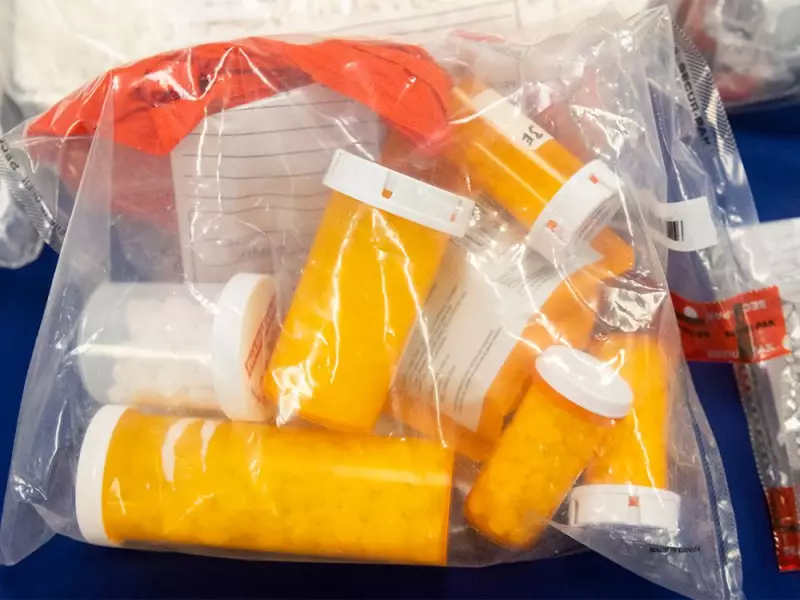
However, the strategy faced major setbacks as evidence of widespread diversion emerged. Numerous media reports documented that a significant portion of the free hydromorphone provided was being sold or traded on the street to purchase stronger illicit drugs, primarily fentanyl. This unintended consequence flooded communities with diverted prescription opioids, potentially creating new avenues for addiction.
This revelation forced a policy retreat. The federal Liberals quietly defunded their national safer supply pilot programs earlier in 2025. However, because healthcare is under provincial jurisdiction, doctors can still prescribe these drugs off-label. This has created a patchwork of regulations across the country.
Alberta took a firm stance, effectively banning safer supply prescribing in 2022. British Columbia, while still permitting it, now mandates that all doses be consumed under direct medical supervision to curb diversion. Ontario, by contrast, has implemented few meaningful controls, leaving a regulatory vacuum.
Prescription Disparities and Treatment Erosion
The scale of prescribing in Ontario is a key point of contention. While B.C. guidelines typically cap safer supply patients at 14 eight-milligram hydromorphone pills daily, several Ontario addiction physicians report that some provincial colleagues prescribe between 30 to 40 pills per day, and sometimes even more. For perspective, just two or three of these pills can cause a fatal overdose in someone not tolerant to opioids.
This shift is having a corrosive effect on traditional, evidence-based addiction treatments. Doctors note that the promise of free, powerful opioids has cratered demand for recovery-oriented therapies like methadone and Suboxone. Consequently, some providers of these established treatments have pivoted to offering safer supply simply to retain clients and maintain revenue.
Dr. Lori Regenstreif, an addiction physician based in Hamilton, has expressed deep concern over this trend. She specifically highlighted the dangers of tele-prescribed safer supply, where the lack of in-person assessment and ongoing oversight fails to meet clinical standards for safe and ethical care.
The situation presents Ontario with a critical challenge: how to balance genuine harm reduction for a vulnerable population with the urgent need to prevent a state-sanctioned program from exacerbating the very crisis it was meant to alleviate. The call from experts is clear: immediate and robust provincial regulation is necessary to rein in a system currently operating like the "wild west."