On a frigid December day in Montreal, intervention worker Karl Barault approaches a woman seeking warmth inside the Beaudry métro station. She has just left the hospital and is in pain. This scene is a daily reality for the team operating the Old Brewery Mission's Mobile Health Clinic, a specially equipped van that brings essential services directly to the city's unhoused population where they are.
A Crucial Bridge to Healthcare and Support
The mobile clinic, financed by Telus Health, functions as a rolling lifeline. It features a full nursing station and offers free healthcare services, food, clothing, and housing support. First launched in 2023, the program expanded with a second van in December 2025. Over three years, it has become an indispensable tool for reconnecting people with the health network or providing immediate aid.
Nicholas Singcaster, a psychosocial social intervention worker who has operated the unit since its inception, explains that interactions often begin simply. "From there, we start working on what they need," he says. A pair of nurses on board treat frequent issues like sores, skin irritations, and infections. Beyond emergency care, the clinic actively works to reintegrate individuals into the formal health system.

Singcaster recalls a poignant example from last year: a man undergoing cancer treatment had lost his phone and missed a critical appointment. "The nurse made one call, said she had the man right in front of her, and secured an appointment for the next week," he shared.
Building Trust and Addressing Root Causes
The work of intervention workers like Singcaster and Barault extends beyond medical care. A primary focus is ensuring everyone they meet has a safe place to spend the night. Once trust is established—often over weeks of repeated visits—they help people tackle the bureaucratic hurdles to finding stable housing.
This process frequently starts with helping individuals file their income tax returns, a necessary step for accessing subsidized housing. For someone in survival mode, this task can feel insurmountable. "But just offering to do it with them can remove a lot of that stress," Singcaster notes. "They know I'll be there with them through steps one, two, and three—so they don't feel so alone."
The impact is quantifiable. Since its launch in spring 2023, the clinic has been used as a point of service more than 20,000 times. In the last year alone, nurses provided care to 180 people. Intervention workers helped 78 people obtain health insurance cards, assisted 221 people with tax returns, and supported 725 people in crisis.
Meeting People Where They Are
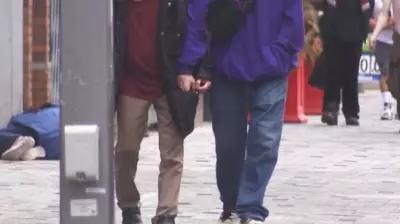
The van regularly tours downtown Montreal, but on a recent afternoon, it was parked at its weekly stop behind the Beaudry métro station in The Village, a known gathering point. Throughout the day, people braving the snow approached for food, safe consumption materials, or medical attention.
One woman, Jean-Pierre, aged 57, approached shivering. He became unhoused in July after a renoviction and has been moving between shelters. He accepted a boxed lunch and new gloves from Barault. That night, his plan was to head to a warming centre in Old Montreal, a place with only lawn chairs but which offered refuge from the cold and the judgmental stares he encounters in public spaces. "It's very difficult," he said. "But I'm fighting with all I have to try to turn things around."
Singcaster acknowledges the emotional weight of the work. "I witness human misery on a daily basis," he says. Yet, it is equally rewarding, marked by small breakthroughs. He has seen people he helped off the streets become colleagues and, soberingly, has witnessed colleagues fall into homelessness. "That's the reality," he states. "Because no one is immune from this."
The mobile health clinic stands as a testament to meeting urgent need with dignity and practical action, proving that sometimes the most effective care is delivered right at the curb.