Global Measles Cases on the Rise, Health Authorities Urge Vaccination
Health units worldwide are sounding the alarm as measles cases experience a significant increase across the globe. This concerning trend has prompted public health officials to issue urgent advisories, strongly recommending that individuals ensure they are up-to-date with their measles vaccinations to safeguard themselves and their communities.
The Measles Resurgence
Measles, a highly contagious viral disease that was once considered nearly eradicated in many developed nations, is making a troubling comeback. Recent data indicates a sharp uptick in reported cases in various regions, raising serious concerns among health professionals. The virus spreads easily through the air when an infected person coughs or sneezes, making it particularly challenging to contain in unvaccinated populations.
Public health experts attribute this resurgence to several factors, including declining vaccination rates in some areas, increased global travel facilitating the spread of the virus, and pockets of vaccine hesitancy that have emerged in recent years. The situation underscores the fragile nature of herd immunity and how quickly preventable diseases can re-emerge when vaccination coverage drops below protective thresholds.

Health Unit Recommendations
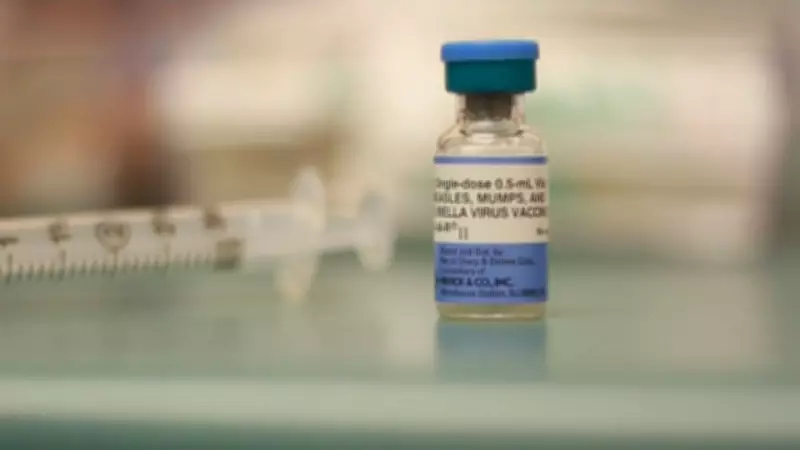
In response to this growing threat, health units are actively disseminating information about measles prevention and control. Their primary recommendation centers on vaccination as the most effective defense against the disease. The measles vaccine, typically administered as part of the MMR (measles, mumps, and rubella) vaccine, has proven to be highly effective when administered according to recommended schedules.
Health authorities emphasize that two doses of the measles vaccine provide approximately 97% protection against the virus, making it one of the most successful vaccines in medical history. They are urging parents to ensure their children receive both recommended doses and advising adults to verify their vaccination status, particularly if they plan to travel internationally or work in high-risk environments.
Symptoms and Complications
Measles typically begins with symptoms that may resemble a common cold, including:
- High fever
- Cough
- Runny nose
- Red, watery eyes
These initial symptoms are followed by the characteristic measles rash, which usually appears as flat red spots that begin on the face and spread downward to the rest of the body. While many people recover completely, measles can lead to serious complications, especially in young children, pregnant women, and individuals with compromised immune systems.
Potential complications include:
- Ear infections that can lead to permanent hearing loss
- Bronchitis, laryngitis, or croup
- Diarrhea and related dehydration
- Pneumonia, which is the most common cause of death from measles in young children
- Encephalitis (swelling of the brain), which can lead to convulsions, deafness, or intellectual disability
Global Health Implications
The increasing measles cases represent more than just a statistical concern—they signal a potential reversal of decades of progress in global health. Before the widespread introduction of the measles vaccine in 1963, major epidemics occurred approximately every two to three years, causing an estimated 2.6 million deaths annually worldwide. Through concerted vaccination efforts, global measles deaths decreased by 73% between 2000 and 2018.
However, the recent resurgence threatens to undermine these hard-won gains. Health organizations worldwide are coordinating response efforts, focusing on identifying outbreak hotspots, improving surveillance systems, and addressing barriers to vaccination access in underserved communities. The situation serves as a stark reminder that infectious diseases know no borders and that global cooperation remains essential for maintaining public health security.
Protective Measures Beyond Vaccination
While vaccination remains the cornerstone of measles prevention, health units are also recommending additional protective measures, particularly during outbreaks or when traveling to areas with known measles transmission. These include:

- Practicing good hand hygiene with regular handwashing
- Avoiding close contact with individuals showing measles symptoms
- Covering coughs and sneezes properly
- Staying home when sick to prevent spreading illness to others
Health authorities stress that these measures should complement, not replace, vaccination efforts. They also encourage healthcare providers to maintain a high index of suspicion for measles, particularly in patients presenting with fever and rash, to enable prompt diagnosis, isolation, and reporting of cases.
The global increase in measles cases represents a significant public health challenge that requires immediate attention and action. Health units continue to monitor the situation closely and adjust their recommendations based on evolving epidemiological data. Their consistent message remains clear: vaccination offers the best protection against measles and its potentially severe complications, helping to safeguard individual health and maintain community immunity against this preventable disease.