The death of Brayan Rayo Garzon in April 2025 marked the first in a troubling spike of suicides among Immigration and Customs Enforcement detainees. The 26-year-old Colombian veteran died by suicide after days of isolation and illness in a Missouri jail, despite pleading to call his mother. His case is one of at least 10 such deaths since President Donald Trump took office in January 2025, a pace far exceeding the growth in the detainee population, according to an Associated Press investigation.
Unprecedented Rise in Suicides
Since October 2024, seven deaths have been classified as suicides, the highest number for any fiscal year in ICE's history. Previously, the agency recorded one or no such deaths annually. Dr. Sanjay Basu, an epidemiologist at the University of California-San Francisco, called the increase alarming. "Something is going profoundly wrong from any kind of public health or mental health perspective," he said.
Nine of the 10 victims were Hispanic men from four countries, and one was a Chinese citizen. Their average age was 32. While Trump has characterized detainees as the "worst of the worst," seven had no record of violent crimes in the U.S. The suicides account for nearly a fifth of the 51 deaths in ICE custody since January 2025, with many other deaths from preventable natural causes.

Systemic Failures
The AP investigation found that ICE detention centers repeatedly violated their own standards. Staff ignored signs of distress, delayed mental health treatment, and failed to monitor at-risk detainees. In some cases, distressed detainees were placed in isolation, which experts say exacerbates feelings of helplessness. At least three of the nine facilities where suicides occurred struggled to conduct initial mental health screenings within 12 hours, as required by ICE.
Dr. Homer Venters, former chief medical officer of New York City jails, described the rise as terrifying. "It reflects failures in how the system is being operated," he said, noting that initial screenings often miss red flags.
Case Examples
Among the victims was a 19-year-old Mexican detained after a traffic stop, a 36-year-old Nicaraguan restaurant worker who lost contact with family, and a 45-year-old with a long criminal record. In Missouri, Leo Cruz Silva, 34, suffered an acute mental health crisis after arrest for public intoxication. He screamed, hid under his bed, and reported hallucinations, but did not receive timely help. He was found dead on the third day.
In Pennsylvania, Chaofeng Ge, a Chinese citizen, died by suicide after five days without mental health treatment and no Mandarin-speaking staff. At Camp East Montana in Texas, Victor Diaz died in a medical holding room after reporting harassment. Days earlier, Geraldo Lunas Campos died during restraint after a suicide attempt, ruled a homicide.
Rayo's Final Days
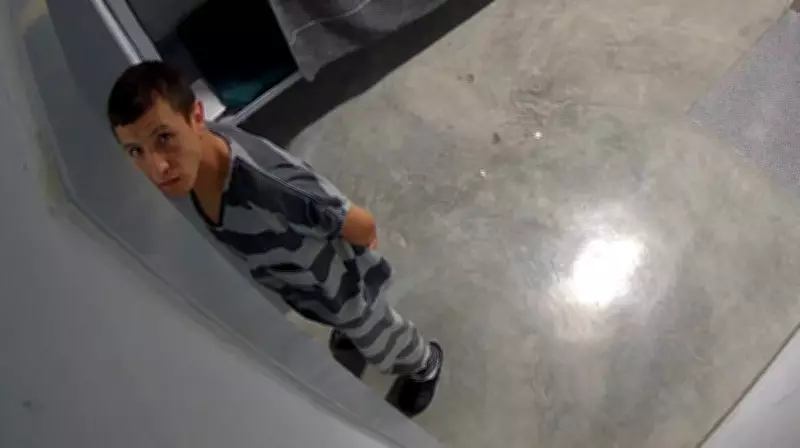
Rayo, a Colombian military veteran, entered the U.S. in 2023 and settled in St. Louis. He was arrested in March 2025 for credit card fraud and taken into ICE custody. Placed in Phelps County Jail, his initial medical screening took 35 hours, exceeding ICE's 12-hour standard. He reported anxiety and requested mental health treatment, but appointments were canceled twice. Diagnosed with COVID-19, he was moved to isolation and forbidden from calling his mother. On his fourth day, he passed notes begging to speak with her. Within an hour, he was found unconscious with a sheet around his neck.
Department of Homeland Security spokesperson Lauren Bies said suicide deaths in ICE custody remain "extremely rare" and that detainees receive comprehensive healthcare. However, experts and advocates argue that the spike indicates profound systemic failures.