A recent tuberculosis outbreak in Edmonton's core has starkly exposed the severe public health consequences of the city's homelessness crisis, with health officials confirming a direct link between unstable housing and the spread of the preventable disease.
Outbreak Details and a Sobering Comparison
Primary Care Alberta declared a tuberculosis (TB) outbreak in Edmonton's inner city. In 2025, twelve cases of active tuberculosis were diagnosed. Alarmingly, two of those individuals died from the disease shortly after diagnosis, before treatment could become effective. A critical finding was that 11 of the 12 people diagnosed were either homeless or unstably housed.
The incidence rate of TB within Edmonton's unhoused population is now slightly higher than the average found in poor countries in sub-Saharan Africa. This statistic underscores how social determinants of health, particularly housing, can create conditions for disease typically associated with extreme poverty or humanitarian crises.

Homelessness: The Root of a Public Health Crisis
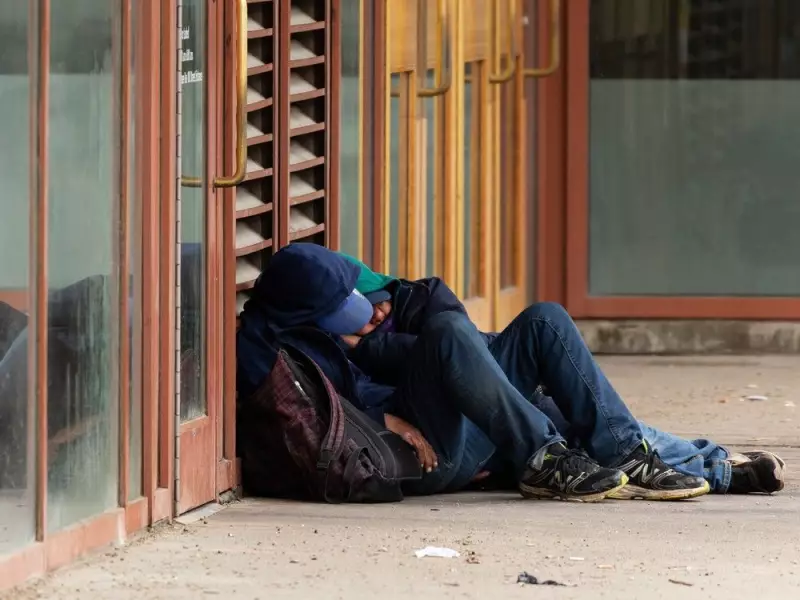
Edmonton has witnessed a dramatic and visible rise in homelessness in recent years. According to Homeward Trust, the number of people experiencing homelessness in the city reached nearly 4,000 in 2024, a figure roughly three times higher than it was in 2016.
The medical complications of this crisis are severe and mounting. Prior to the TB outbreak, the city grappled with a sustained outbreak of Shigella dysentery and clusters of life-threatening infections from body lice—ailments directly tied to the inability to maintain personal hygiene and clean clothing. As noted by public health expert Dr. Stan Houston, these are "diseases usually associated with the conditions in refugee camps." The return of tuberculosis, a centuries-old disease long considered a marker of poverty, adds a grave new dimension to the emergency.
Housing as the Foundational Cure
Tuberculosis is a curable disease with early diagnosis and proper drug therapy. Its near-elimination in other high-risk populations within Alberta, such as on-reserve First Nations communities, demonstrates that medical intervention works. However, modern medicine cannot fully compensate for the extreme conditions of homelessness, including exposure to the cold, malnutrition, and lack of ventilation.
While the risk to the general public in Edmonton remains low due to TB's specific transmission dynamics, the presence of an airborne infectious disease in the community is a serious concern. An effective response to the current outbreak, and long-term TB control, requires a multi-faceted approach where secure housing is the indispensable key.
The city of Edmonton bears a disproportionate share of the complications and costs of provincial poverty. Addressing this public health emergency will therefore require significant collaboration and investment from both the federal and provincial governments, which hold greater taxation powers, to fund the housing solutions that are now undeniably a matter of health and safety.