Ecuadorian Doctors Stage Protests Amid Severe Medical Supply Shortage
In a stark demonstration of the deteriorating state of Ecuador's healthcare system, doctors and medical staff across the nation have launched widespread protests. The catalyst for this unrest is a critical shortage of essential medical supplies, which has become so dire that patients are now being required to bring their own medications to surgical procedures.
A Crisis Reaching Breaking Point
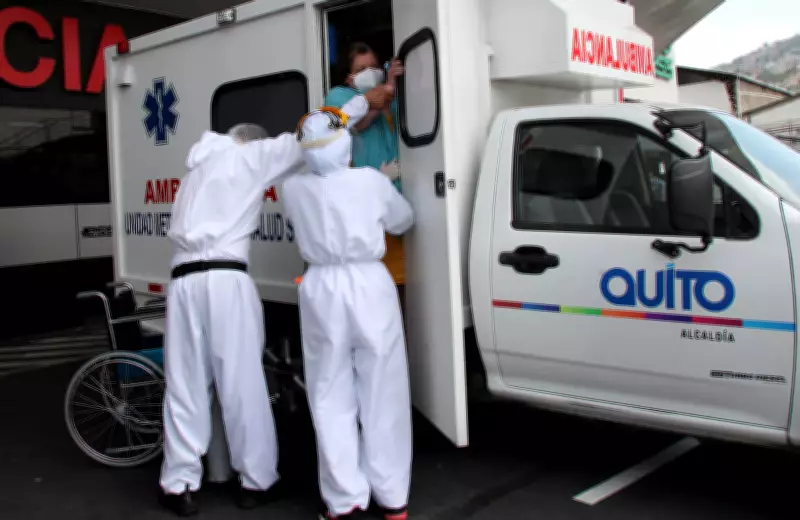
The protests, organized by healthcare unions and professional associations, highlight a systemic failure that has been escalating for months. Medical professionals report that hospitals, particularly public facilities in urban centers like Quito, are operating with severely depleted inventories of basic surgical drugs, anesthetics, antibiotics, and even sterile equipment.
"We are being forced to practice medicine under conditions that are not just substandard, but frankly dangerous," stated one protesting surgeon who wished to remain anonymous due to fear of reprisal. "When a patient must source their own painkillers or antibiotics for an operation, it represents a complete breakdown of the system's duty of care."

Patients Caught in the Middle
This unprecedented situation places an immense and unfair burden on patients and their families. Many are scrambling to pharmacies, often at the last minute, to procure items from lists provided by hospitals. The costs, which should be covered by the public health system, are now falling directly on individuals, many of whom cannot afford them.
The practice not only creates financial hardship but also raises serious safety concerns. Without guaranteed quality control or proper dosing instructions from overburdened staff, the risk of medication errors, adverse reactions, or post-operative complications increases dramatically.
Root Causes and Demands
Protesters and analysts point to several intertwined factors driving the crisis:
- Chronic Underfunding: Years of budget constraints have left the public health sector vulnerable.
- Supply Chain Disruptions: Global and local logistical issues have delayed the delivery of vital medical imports.
- Administrative Inefficiency: Allegations of poor procurement planning and bureaucratic delays within the health ministry.
The protesting healthcare workers are demanding immediate government action, including:
- An emergency injection of funds to restock hospital pharmacies nationwide.
- A transparent audit of medical supply procurement and distribution.
- Long-term reforms to ensure sustainable funding and prevent future shortages.
- Protections for medical staff who speak out about unsafe working conditions.
A Symbol of Broader Struggles
The image of patients carrying bags of medication into operating rooms has become a powerful symbol of the crisis. It underscores a fundamental breach of the social contract in a country where access to healthcare is a constitutional right. The protests in Ecuador echo challenges seen in other nations with strained public health systems, where economic pressures and political neglect converge to impact the most vulnerable citizens.
As the demonstrations continue, the international medical community is watching closely. The situation in Ecuador serves as a urgent warning about the consequences of allowing essential public health infrastructure to erode, putting both patient lives and the morale of the medical workforce at severe risk.