Alberta Panel Reports Strong Public Backing for Nuclear Energy Expansion
A recent provincial panel in Alberta has uncovered substantial public enthusiasm and widespread support for the development of nuclear energy within the region. The findings indicate a growing recognition of nuclear power's potential to contribute to Alberta's diverse energy portfolio, particularly as the province explores alternatives to traditional fossil fuels.
Growing Interest in Nuclear Solutions
The panel's report emphasizes that there is "great interest and broad support" among Albertans for nuclear energy initiatives. This sentiment is reflected in community feedback and stakeholder consultations, suggesting a shift in public perception toward embracing nuclear technology as a viable and sustainable energy source. The panel highlighted that this support spans various demographics, including industry professionals, environmental advocates, and local residents.
Key factors driving this interest include the potential for nuclear energy to provide reliable, low-carbon electricity, which aligns with global efforts to reduce greenhouse gas emissions. Additionally, the development of small modular reactors (SMRs) is seen as a promising avenue for Alberta, offering scalable and flexible power generation options that could complement renewable energy sources like wind and solar.

Context and Comparisons
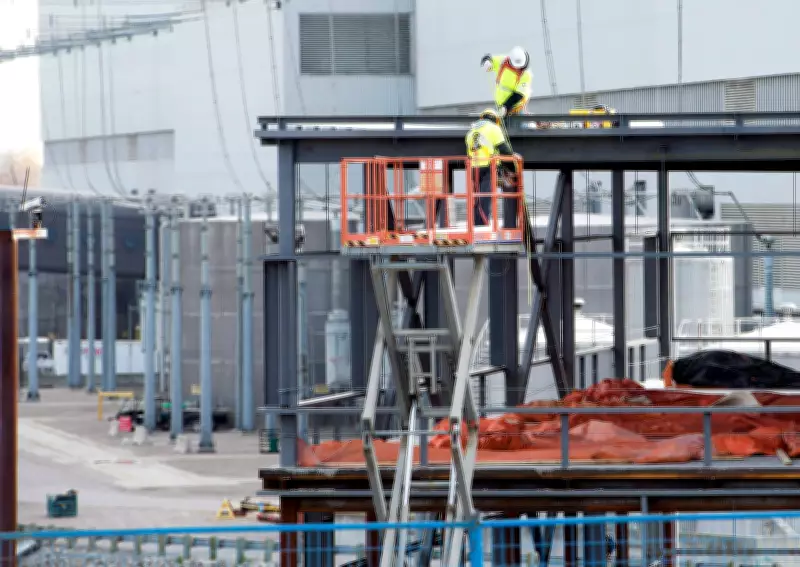
The panel's findings come at a time when other provinces, such as Ontario, are already advancing nuclear projects. For instance, Ontario Power Generation and the provincial government are planning to construct three additional small modular reactors at the Darlington nuclear power plant site in Courtice, Ontario. This move underscores a broader national trend toward integrating nuclear energy into Canada's energy strategy.
In Alberta, the discussion around nuclear energy is part of a larger conversation about energy diversification and economic resilience. The province, traditionally reliant on oil and gas, is increasingly considering nuclear power as a means to stabilize its energy grid and support industrial growth while addressing climate change concerns.
Potential Benefits and Challenges
Proponents of nuclear energy in Alberta point to several advantages, including:
- Enhanced energy security and reduced dependence on volatile fossil fuel markets.
- Job creation and economic opportunities through the construction and operation of nuclear facilities.
- Lower carbon emissions compared to coal and natural gas, aiding in environmental sustainability goals.
However, the panel also acknowledged challenges that must be addressed, such as public safety concerns, waste management issues, and the high initial costs associated with nuclear infrastructure. Ongoing dialogue and transparent regulatory frameworks will be crucial to navigating these obstacles and building lasting public trust.
Future Outlook
Looking ahead, the panel's report suggests that Alberta is poised to play a significant role in Canada's nuclear energy landscape. With strong public backing and technological advancements in small modular reactors, the province could see increased investment and policy support for nuclear projects in the coming years.
This development aligns with national and international trends toward clean energy transition, positioning Alberta as a potential leader in innovative energy solutions. As debates continue, the panel's findings provide a foundation for informed decision-making and collaborative efforts to harness nuclear energy's potential responsibly.