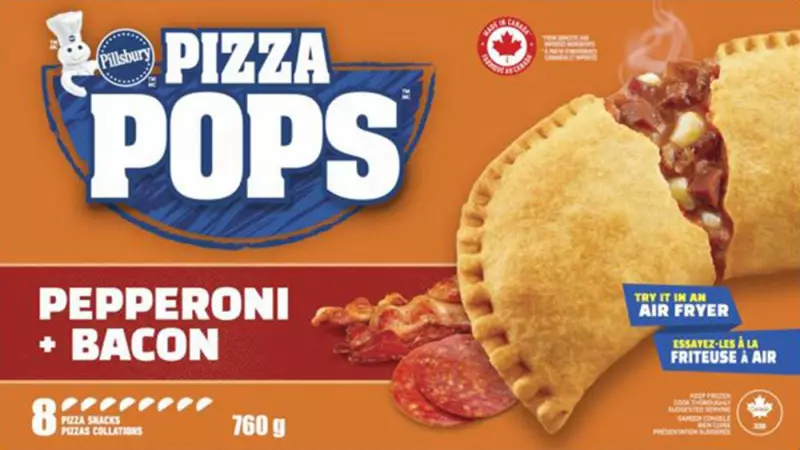
The Canadian Food Inspection Agency (CFIA) has issued a food recall warning for specific Pillsbury Pizza Pops snacks due to possible E. coli O121 contamination. The affected product is the Pepperoni and Bacon Pillsbury Pizza Pops, sold frozen nationwide.
Why Home Cooking Methods Failed
Consumers might assume that freezing or microwaving frozen snacks would eliminate bacterial threats. However, in this case, these common methods were insufficient. E. coli is a robust bacterium that can survive freezing temperatures for extended periods. Standard microwave cooking, which often heats food unevenly, may not reach a high enough temperature throughout the product to kill all pathogens.
The CFIA emphasizes that the only way to ensure safety with this recalled product is to not consume it at all. The agency advises consumers to check their freezers for the specific product with UPC 0 66000 20245 8 and either throw it out or return it to the place of purchase.

Understanding the Risks of E. coli
E. coli O121 can cause serious illness. Symptoms, which can appear within one to ten days after eating contaminated food, include severe stomach cramps, diarrhea (often bloody), and vomiting. While most people recover within a week, some infections can be life-threatening, leading to a type of kidney failure called hemolytic uremic syndrome (HUS). This is particularly dangerous for young children, the elderly, and those with weakened immune systems.
As of the recall announcement, there have been reported illnesses associated with the consumption of this product. The CFIA is conducting a food safety investigation, which may lead to further recalls. The agency is verifying that industry is removing the recalled product from the marketplace.
What Consumers Should Do Now
Food safety experts urge Canadians to take this recall seriously. Do not rely on visual inspection or smell to determine if the product is safe, as contaminated food may look and smell normal. The recall highlights the importance of heeding public health warnings even for products typically considered low-risk due to their processed and frozen nature.
If you believe you have become ill from consuming this product, contact your healthcare provider. The CFIA also encourages the public to report any food safety concerns through its online reporting portal.