Drug Overdoses and Substance Use Surge in Canadian Public Libraries
Public libraries in Canada are increasingly becoming hotspots for drug use and overdoses, as the nation's addiction crisis spills into community spaces. Staff and patrons are encountering dangerous situations, with libraries struggling to balance their role as safe havens with the realities of a public health emergency.
A Growing Public Health Concern
The issue has become widespread, affecting libraries from coast to coast. What were once quiet spaces for reading and learning are now frequently the sites of drug consumption and medical emergencies. Library employees, who are not typically trained as healthcare professionals, are finding themselves on the front lines of Canada's overdose epidemic.
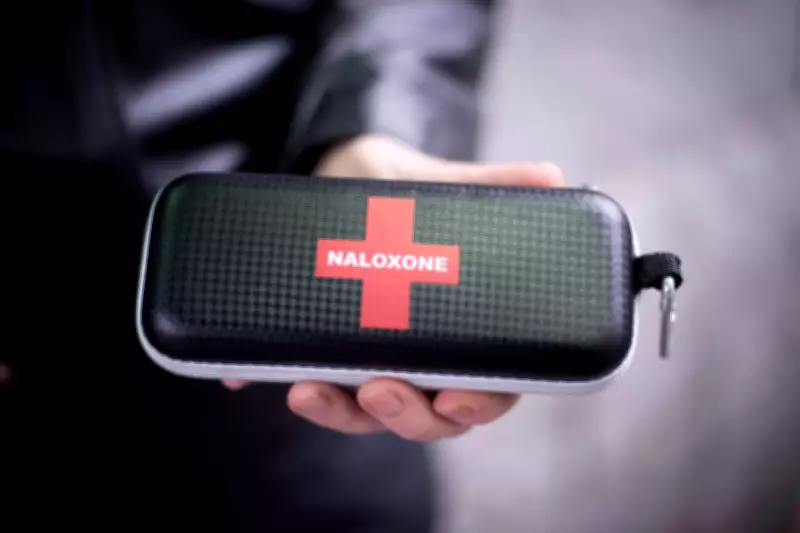
Many libraries have begun stocking naloxone kits, the life-saving medication that can reverse opioid overdoses. The presence of these kits in public libraries underscores the severity of the situation. In Vancouver, where the crisis has been particularly acute, naloxone kits have become as essential as books in some branches.

Challenges for Library Staff and Patrons
Library workers face difficult dilemmas daily. They must maintain safe environments for all visitors while responding compassionately to individuals experiencing addiction. This balancing act has become increasingly challenging as drug use becomes more visible in these public spaces.
Patrons, including families with children, are sometimes exposed to drug paraphernalia or witness overdoses. This has led to concerns about safety and accessibility, with some community members avoiding libraries altogether during certain hours or in specific locations.
Broader Context of Canada's Addiction Crisis
The library situation reflects larger trends across Canada:
- Rising overdose deaths nationwide
- Increased presence of potent synthetic opioids like fentanyl
- Limited access to addiction treatment services
- Growing homelessness and mental health challenges
Public libraries, as one of the last universally accessible indoor public spaces, have become de facto shelters for vulnerable populations. Many individuals struggling with addiction seek refuge in libraries during operating hours, particularly in extreme weather conditions.
Responses and Solutions
Library systems across Canada are implementing various strategies to address the crisis:
- Training staff in overdose response and naloxone administration
- Partnering with public health agencies and harm reduction organizations
- Increasing security presence in affected branches
- Developing protocols for handling drug-related incidents
- Creating designated spaces for vulnerable populations
Some libraries have established partnerships with mobile health clinics or social workers who can provide on-site support. These collaborations aim to connect individuals with addiction services rather than simply removing them from the premises.
The situation in Canada's public libraries highlights how the overdose crisis has permeated all aspects of community life. As libraries continue to adapt to this new reality, they face fundamental questions about their role in society and how to serve all community members while maintaining safe environments for learning and connection.