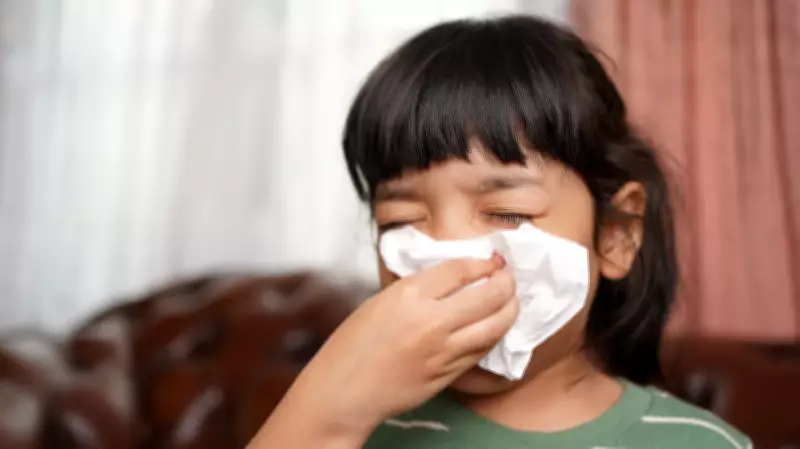
New 'Cicada' COVID Variant Shows Increased Prevalence in Pediatric Populations
As the long winter virus season finally draws to a close, health experts continue to emphasize the importance of hand hygiene and updated vaccinations. A new development has emerged with the spread of a highly mutated COVID-19 variant known as BA.3.2, which has been nicknamed Cicada. This variant is currently circulating in at least half of the country and appears to be infecting children at higher rates compared to other variants.
Before causing alarm, it is crucial to note that this new variant is not associated with more severe disease outcomes. The increased infection rate among younger populations does not translate to worse clinical symptoms or complications.
Why Children Are More Susceptible
Dr. Neil Maniar, a professor of public health at Northeastern University in Boston, provided insight into this phenomenon. "The reports do seem to indicate that this variant is more prevalent in children, as opposed to older populations," Maniar stated. He explained several contributing factors:

- The BA.3.2 variant is highly mutated from previous strains, making it more infectious overall
- Children frequently congregate in environments conducive to viral spread, including daycares, schools, and camps
- The combination of increased infectiousness and these social settings helps explain the variant's higher prevalence in pediatric populations
Dr. William Schaffner, a professor of preventive medicine at Vanderbilt University Medical Center, added context to these observations. "The rest of us have at least some partial immunity, because we've had so much experience with COVID itself or with the vaccine, whereas young children are less experienced with COVID," Schaffner noted.
This immunological difference stems from both lower infection rates among children and lower vaccination uptake. According to Centers for Disease Control data, just 9.3% of children have received the 2025-2026 COVID vaccine formulation.
"I think it's possible that this new variant is finding them more susceptible and so able to spread among children," Schaffner concluded.
Historical Context and Current Situation
Maniar pointed out that this isn't the first COVID variant to show increased prevalence in children. "We had a variant a few years back that was similar, and that may be partly because [kids'] immune systems are still developing," he explained. "Kids don't have the same immune memory that older adults do because they just haven't been exposed over a period of time to as many different pathogens."
Despite these concerning patterns, COVID rates remain low nationwide. Dr. Steven Goldberg, chief medical officer at HealthTrack testing laboratory, emphasized that this variant does not cause more severe illness than previous strains. The number of infections specifically attributed to the Cicada variant represents only a small fraction of overall cases.
Goldberg also noted that while data suggests BA.3.2 more easily infects children, this observation hasn't yet been confirmed through peer-reviewed publications. "So, we look forward to them coming out," he said.
Research Findings and Detection
The variant's increased transmissibility among children (particularly those aged 3 to 15) was initially identified by Dr. Tulio de Oliveira, a South African physician. Additional analysis by COVID variant researcher Ryan Hisner using New York data confirmed this pattern. Hisner observed similar trends in pediatric infections in Ireland and Ontario, further supporting the finding that children face elevated infection risks with this emerging variant.
Protective Measures for Families
Health experts recommend multiple strategies to protect children during this spring season:

- Monitor symptoms closely: If children develop COVID symptoms such as runny nose, fever, cough, congestion, or body aches, contact their healthcare provider immediately. This is especially important for children with underlying medical conditions.
- Utilize testing: When symptoms appear in either children or adults, take both COVID and flu tests to determine appropriate treatment. "The flu is still out there," Maniar reminded.
- Practice standard prevention: Keep sick children home from school and teach proper handwashing techniques to reduce transmission risks.
- Verify health status: Before sending children to social gatherings like birthday parties or play dates, confirm that other participants are healthy.
Vaccination Effectiveness and Future Outlook
While current vaccines may offer reduced protection against BA.3.2 specifically, they remain effective against other circulating variants. "The COVID vaccine is actually effective against other variants of COVID, and, importantly, it's really helpful in terms of reducing the risk for morbidity and mortality from COVID," Maniar explained.
Looking ahead, Maniar suggested that "COVID is going to be a part of our background lives, I think, for the foreseeable future," similar to other endemic illnesses like influenza.
While there's no need for particular concern about the Cicada variant, maintaining reasonable precautions remains advisable. "But especially COVID, flu and other illnesses that we have vaccines for, that we have ways to reduce the risk for exposure or to reduce the risk for illness if you are exposed," Maniar concluded.