CBRM Council Advocates for Provincial Sharps Disposal Mandate
The Cape Breton Regional Municipality council has taken a decisive step toward enhancing public safety by formally requesting the Nova Scotia provincial government to implement a mandated sharps disposal program. This initiative aims to address the growing concern over improperly discarded needles, which pose significant health and environmental risks in communities across the region.
Addressing a Critical Public Health Issue
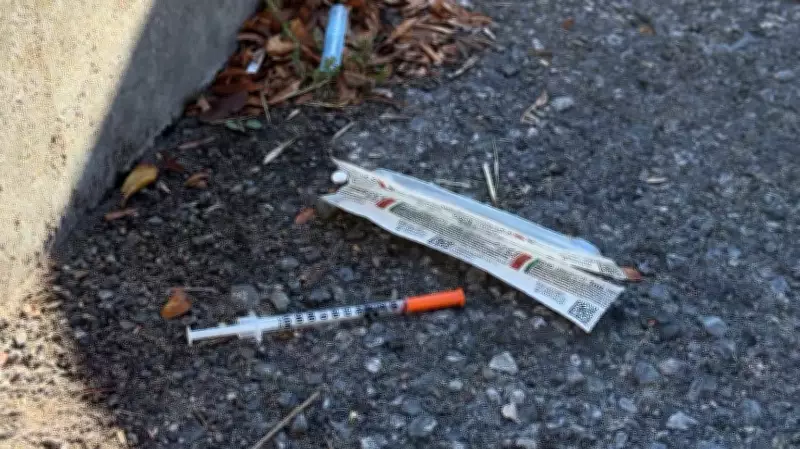
Discarded needles, often referred to as sharps, have become an increasingly visible problem in urban and rural areas alike. These items can transmit bloodborne pathogens such as HIV and hepatitis, creating hazards for residents, children, and pets who may accidentally come into contact with them. The council's proposal seeks to establish a standardized, province-wide system for the safe collection and disposal of these medical waste items.
The current lack of a coordinated disposal program has led to needles being found in public parks, streets, and other communal spaces, prompting calls for immediate action from municipal leaders. By advocating for a mandated approach, CBRM hopes to ensure consistent protocols and funding across Nova Scotia, rather than relying on piecemeal local solutions.

Key Components of the Proposed Program
The envisioned sharps disposal program would likely include several critical elements designed to maximize effectiveness and accessibility:
- Installation of secure collection bins in high-traffic areas and locations known for needle discards
- Public education campaigns to inform residents about proper disposal methods and risks
- Regular collection schedules managed by trained professionals to handle biohazardous materials
- Partnerships with healthcare providers and pharmacies to offer drop-off points
- Clear guidelines for municipal workers and first responders on safe needle handling procedures
This comprehensive approach recognizes that effective waste management requires both infrastructure and community engagement. The council emphasizes that a provincial mandate would provide the necessary authority and resources to implement such a system uniformly, reducing disparities between different municipalities.
Broader Implications for Community Health and Safety
Beyond immediate risk reduction, a mandated sharps disposal program aligns with broader public health objectives. It supports harm reduction strategies by providing safe alternatives to improper disposal, potentially reducing needle-stick injuries among waste management workers and the general public. Additionally, it addresses environmental concerns, as needles that end up in landfills or waterways can contaminate ecosystems.
The council's request comes amid increasing awareness of opioid and substance use issues, highlighting the interconnected nature of public health challenges. By tackling disposal systematically, Nova Scotia could set a precedent for other provinces grappling with similar issues, demonstrating proactive governance in protecting community well-being.
As the proposal moves forward, stakeholders including health authorities, environmental groups, and community organizations are expected to contribute to the dialogue. The outcome could significantly influence how municipalities across Canada manage medical waste, emphasizing prevention and safety in urban planning and public health policy.