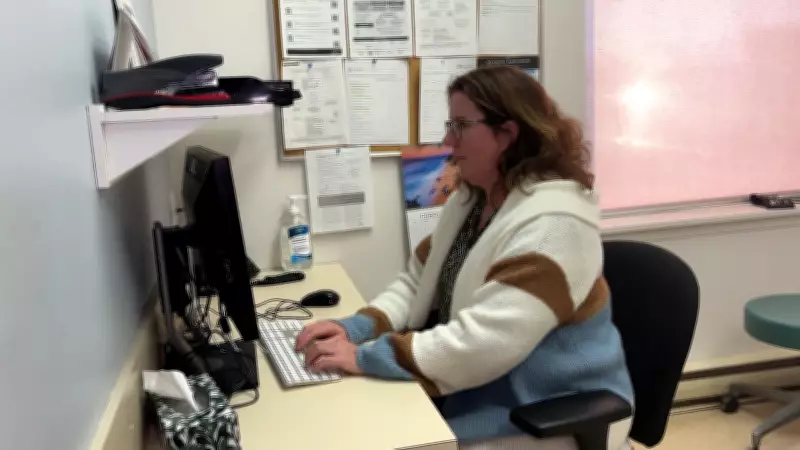
Casselman, Ontario Grapples with Severe Family Doctor Shortage
More than half of the residents living in the rural municipality of Casselman, Ontario, are currently without a family doctor, according to recent reports. The community is facing significant challenges in recruiting and retaining physicians, a situation that underscores a growing crisis in access to primary healthcare across many parts of Canada.
A Rural Healthcare Crisis Unfolds
The shortage of family doctors in Casselman is not an isolated incident but reflects a broader trend affecting numerous rural and remote communities nationwide. With over fifty percent of the local population lacking a regular primary care provider, residents may experience delays in medical consultations, reduced preventive care, and increased reliance on emergency services for non-urgent health concerns.
This physician recruitment struggle is exacerbated by factors such as an aging population of doctors, competitive urban job markets, and the logistical and professional challenges of practicing in smaller, resource-limited settings. The result is a healthcare gap that leaves many individuals without consistent medical oversight, potentially impacting long-term health outcomes.

Broader Implications for Canadian Healthcare
The situation in Casselman highlights systemic issues within Canada's healthcare infrastructure, particularly in rural areas. Similar reports have emerged from other provinces, including Saskatchewan, which was recently ranked as the most difficult province for accessing a family doctor. These access barriers can lead to worsened chronic conditions, higher healthcare costs due to emergency interventions, and increased patient frustration.
Efforts to address this shortage may include incentives for medical graduates to practice in underserved regions, expanded roles for nurse practitioners and other healthcare professionals, and improved telemedicine services. However, sustainable solutions require coordinated action from provincial governments, medical associations, and educational institutions to ensure equitable healthcare delivery for all Canadians, regardless of their geographic location.
As communities like Casselman continue to navigate these challenges, the need for innovative approaches to physician recruitment and retention becomes increasingly urgent to safeguard the health and well-being of rural populations.