Canada's Kidney Disease Prevention Knowledge Must Translate to Action
Chronic kidney disease affects millions of Canadians, yet it rarely receives the public attention given to other chronic illnesses. Often progressing silently until advanced stages, this condition carries a heavy toll for individuals, families, and the healthcare system. Indigenous Peoples and other populations facing social and economic barriers are particularly affected, with Indigenous communities in Canada being three to four times more likely to develop chronic kidney disease.
The Preventable Burden
The sad truth is that much of this burden is preventable. In Canada, advances in research and a deeper understanding of how social determinants shape health outcomes mean we know more than ever about what works to improve kidney health. The real challenge lies in acting on this knowledge effectively and consistently across the healthcare landscape.
In 2025, the World Health Organization passed a formal resolution calling on countries to strengthen awareness, prevention, early detection, and health system responses to chronic kidney disease. Despite this international recognition, kidney disease is still too often detected late in clinical practice, when treatment options become limited and significantly more costly for both patients and the healthcare system.

Shifting from Management to Prevention
Dr. Adeera Levin emphasizes that our health system has historically focused on managing end-stage disease rather than preventing it. Decades of research clearly demonstrate that early detection, culturally safe care, and community-centered approaches can slow or even prevent disease progression. However, these evidence-based approaches are not consistently embedded in routine care across provinces and territories.
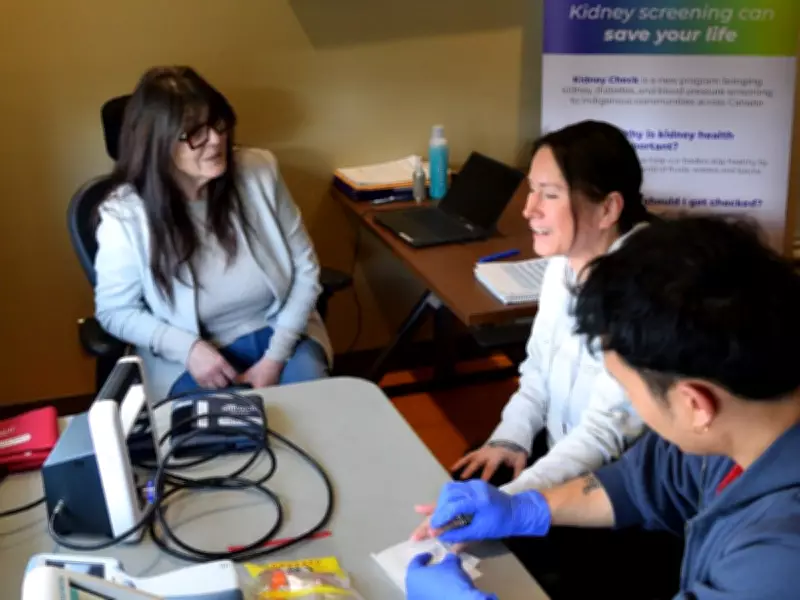
One powerful example of how evidence can be translated into action is the Kidney Check program. This mobile, community-led kidney screening initiative operates in First Nations communities in British Columbia, Alberta, and Manitoba. Designed in partnership with the communities it serves, Kidney Check brings early detection directly to people who face significant barriers to accessing traditional healthcare services. The program demonstrates what becomes possible when research, lived experience, and culturally safe approaches are properly aligned.
Systemic Lessons and National Collaboration
Importantly, Kidney Check is not simply a stand-alone project. It offers practical lessons for how health systems can embed prevention and early detection into routine care, particularly for populations at highest risk. Similar initiatives across the country are generating valuable evidence that can and should inform provincial and national policy decisions regarding kidney health.
Progress in this area is being driven by unprecedented collaboration. National research networks, provincial renal programs, professional societies, organizations such as the Kidney Foundation of Canada, nursing and pharmacy groups, and Indigenous partners are working together to close the gap between evidence and care. No single organization owns the complete solution, and lasting change depends on coordinated action across multiple sectors.
Inclusive Research and Health Equity
Canada's kidney research community increasingly recognizes that health outcomes are shaped not only by biology, but also by where people live, their access to care, and the social conditions that influence health. Research that meaningfully includes patients and communities leads to more relevant, implementable solutions and helps ensure that medical innovation does not inadvertently deepen existing health inequities.
The time has come for Canada to move beyond simply possessing knowledge about kidney disease prevention and begin implementing that knowledge systematically. By shifting focus from end-stage management to early intervention, embracing community-led approaches, and ensuring research includes diverse voices, we can reduce the burden of this silent epidemic on Canadians and our healthcare system.