B.C. Overdose Deaths Decline 21% in 2025, Yet Crisis Remains Severe, Coroners Service Reports
New data from the British Columbia Coroners Service reveals a notable 21% decrease in overdose fatalities across the province during the previous year. This encouraging trend marks a significant shift in the trajectory of a public health emergency that has claimed thousands of lives over the past decade. However, officials are cautioning against premature celebration, emphasizing that the loss of life remains profoundly high and that the underlying crisis is far from resolved.
A Glimmer of Progress Amidst Ongoing Tragedy
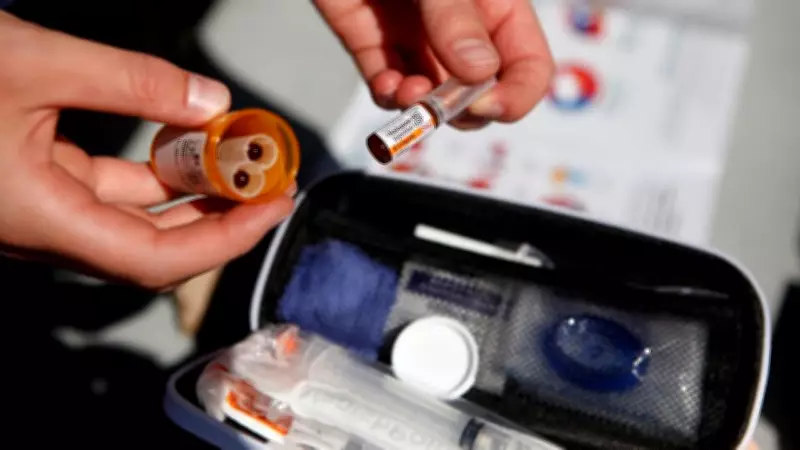
The reported decline represents the most substantial yearly reduction in overdose deaths recorded in British Columbia in recent memory. Preliminary figures indicate that concerted efforts in harm reduction, increased access to treatment services, and the widespread distribution of naloxone kits have contributed to this positive development. Community outreach programs and supervised consumption sites have also played a critical role in connecting vulnerable individuals with life-saving resources and support systems.
Despite this progress, the absolute number of lives lost remains alarmingly high. The coroners service described the continuing toll as "profound," underscoring that each statistic represents a personal tragedy affecting families and communities across the province. The data suggests that while interventions are having a measurable impact, the scale of the addiction crisis requires sustained and expanded efforts to achieve meaningful, long-term reduction in fatalities.

The Complex Landscape of Addiction and Response
Experts analyzing the data point to several factors that may explain the decline:
- Enhanced Harm Reduction Strategies: Expanded availability of naloxone and increased training for first responders and community members.
- Treatment Access Improvements: Efforts to reduce barriers to evidence-based addiction treatment and recovery services.
- Toxic Drug Supply Monitoring: Better systems for tracking and responding to dangerous substances in the illicit drug market.
- Public Awareness Campaigns: Continued education about overdose risks and prevention methods.
Nevertheless, the unpredictable nature of the illicit drug supply, particularly the prevalence of potent synthetic opioids like fentanyl and its analogues, continues to pose extreme risks. The coroners service notes that many fatalities involve polysubstance use, complicating prevention and response efforts. Economic pressures, housing instability, and mental health challenges further exacerbate vulnerability among affected populations.
Looking Forward: Sustaining Momentum
Public health officials are urging policymakers and community leaders to view the 21% reduction as validation of current strategies rather than as a reason to scale back efforts. They emphasize that maintaining this downward trajectory will require:
- Continued funding for harm reduction and treatment programs
- Innovative approaches to address the toxic drug supply
- Enhanced support for mental health and social services
- Ongoing data collection and analysis to guide responsive interventions
The coroners service report concludes with a sobering reminder that while the decline in overdose deaths offers hope, the crisis remains a pressing public health emergency. The path forward demands unwavering commitment to evidence-based solutions, compassion for those affected, and a collective determination to prevent further loss of life in British Columbia.