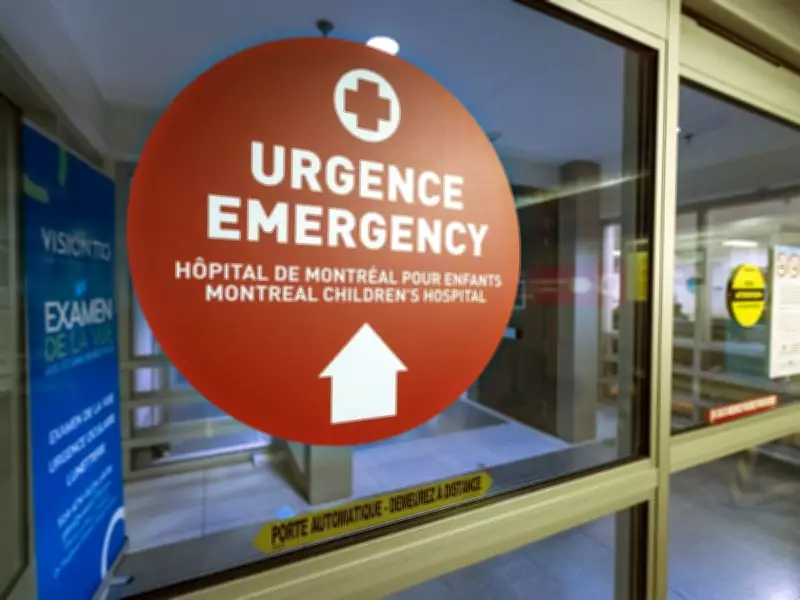
Retired Physician Calls for Shift in Infection Prevention Strategy
In a compelling letter to the editor, retired emergency physician Lyne Filiatrault challenges conventional wisdom about preventing respiratory infections in healthcare settings. Drawing from decades of experience, including frontline work during the 2003 SARS outbreak, Filiatrault argues that current protocols are dangerously inadequate.
The Limitations of Hand Hygiene
"Handwashing helps prevent gastrointestinal infections but will not protect your child and you from leaving the emergency department with influenza or COVID," Filiatrault writes emphatically. "With respiratory infections, it is the air that needs cleaning, not your hands."
The physician points to a fundamental mismatch between prevention methods and transmission realities. While hand hygiene remains crucial for certain infections, respiratory viruses like influenza and COVID primarily spread through infectious aerosols that linger in shared air spaces.

Alarming Hospital Infection Data
Filiatrault cites disturbing statistics from the Public Health Agency of Canada's Nosocomial Infection Surveillance Program, which tracks hospital-acquired infections across 70 participating hospitals from 10 provinces and one territory.
During late January 2026, the program revealed that 45 percent of hospitalized COVID patients had been admitted without the virus and contracted it during their stay. This means nearly half of all COVID cases in these hospitals resulted from exposure within healthcare facilities.
The Airborne Transmission Reality
"Infectious aerosols, like smoke, accumulate and drift, eventually reaching you and your child," Filiatrault explains. "So staying away from people coughing in the waiting room won't work on its own."
The retired physician notes that infected individuals spread viruses simply through breathing, without requiring coughing or sneezing. This makes traditional distance-based precautions insufficient for truly preventing transmission in crowded healthcare environments.
Practical Protection Measures
For patients and families visiting emergency departments, Filiatrault recommends well-fitted, high-quality N95 masks as the most effective immediate protection. These masks filter the air individuals breathe, providing personal defense against airborne pathogens.
At the institutional level, the physician advocates for deploying stand-alone air purifiers in crowded waiting areas, particularly during peak respiratory virus seasons. These measures could significantly reduce viral concentrations in shared air spaces while Canada works to adopt newly published indoor air quality standards.
A Call for Protocol Updates
Filiatrault expresses concern that nearly five years after the World Health Organization acknowledged COVID's airborne transmission, many public health officials and infection prevention physicians still fail to openly acknowledge this reality. Consequently, current hospital protocols continue emphasizing surface cleaning and handwashing over air quality management.
"The use of masks is sporadic and frequently involves surgical masks rather than the more effective N95s," Filiatrault observes. "Meanwhile, viruses float freely in the air of crowded emergency waiting rooms and hospital wards."
The retired physician's letter serves as both a warning and a call to action, urging healthcare systems to align infection prevention strategies with scientific understanding of respiratory virus transmission.