Federal Charges Expand in Minnesota Church Protest Case
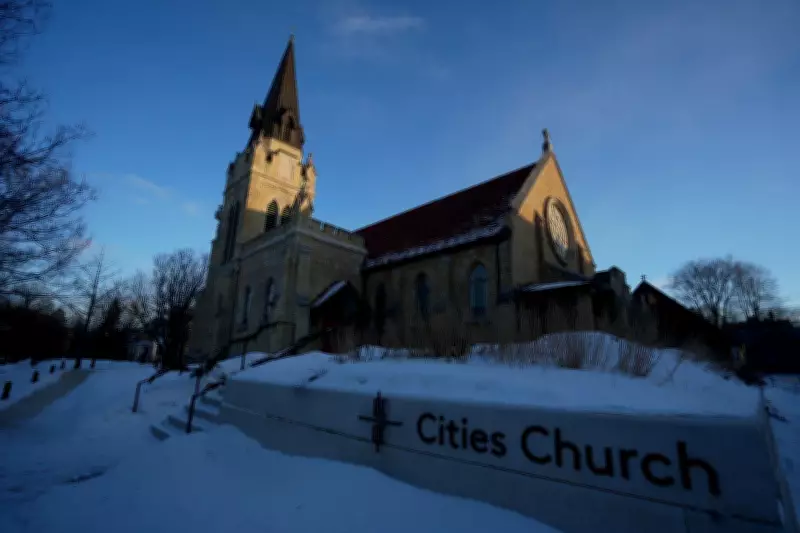
The U.S. Attorney General has announced a significant expansion of federal indictments, targeting 30 additional individuals involved in protests at a church in St. Paul, Minnesota. This development follows earlier charges and underscores the ongoing legal response to the demonstration that disrupted a service at Cities Church in January 2026.
Background of the Incident
Activists stormed the church, alleging that the pastor was simultaneously working as an agent for U.S. Immigration and Customs Enforcement (ICE). The protest, which gained national attention, was part of broader tensions over immigration policies and enforcement actions. According to authorities, the demonstration involved unlawful entry and disruption of religious activities, leading to initial arrests and now these expanded federal charges.
Details of the Indictments
The new indictments bring the total number of people charged in connection with the protest to a substantial figure, reflecting the Justice Department's commitment to prosecuting such cases. Charges may include trespassing, obstruction of justice, and potentially more severe federal offenses related to interfering with government operations. The U.S. Attorney General emphasized that while peaceful protest is protected, actions that violate the law and endanger public safety will be met with strict enforcement.

Implications and Reactions
This case has sparked debate over the boundaries of free speech, religious freedom, and immigration enforcement. Supporters of the protesters argue that exposing alleged ICE collaborations is a matter of public interest, while critics condemn the method of disruption as counterproductive and illegal. Legal experts note that the indictments could set precedents for how similar protests are handled in the future, particularly in sensitive contexts involving federal agencies.
The announcement comes amid a backdrop of other news, including international political visits, business deals, and health advisories, but it highlights the persistent issues at the intersection of law, activism, and immigration in the United States. As the case progresses through the courts, it will likely continue to draw attention from both sides of the political spectrum.