Health authorities in Windsor-Essex are sounding the alarm after a sharp and concerning spike in suspected drug overdoses swept through the region. Fifteen overdose incidents were reported in a span of just six days, highlighting a severe and ongoing public health crisis linked to the toxic drug supply.
A Critical Spike in Overdose Incidents
The cluster of overdoses, which occurred over a recent six-day period, has put immense pressure on local emergency services and community support networks. While specific locations of each incident were not detailed in the initial report, the volume concentrated in such a short timeframe indicates a potentially dangerous batch of substances circulating in the community. This pattern is consistent with crises seen in other Canadian municipalities where the unregulated drug market is increasingly contaminated with potent synthetic opioids like fentanyl and carfentanil.
The Lifesaving Role of Naloxone
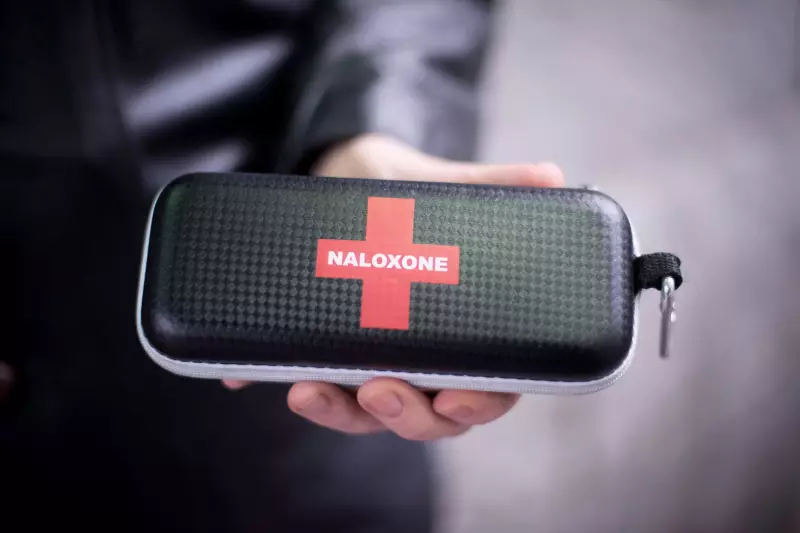
In response to such emergencies, the immediate availability of naloxone is critical. Naloxone is a medication that can temporarily reverse the effects of an opioid overdose, restoring normal breathing and buying crucial time for emergency medical help to arrive. Public health units across Ontario, including in Windsor-Essex, widely distribute naloxone kits for free at pharmacies, public health offices, and through various community agencies. The image referenced in the report, depicting a kit held in Vancouver, underscores that this is a nationwide tool in combating overdose deaths.

Community organizations and harm reduction workers are often on the front lines, educating the public on how to recognize the signs of an overdose—such as unresponsiveness, slow or absent breathing, and pale skin—and how to administer naloxone effectively.
Community and Systemic Response
This alarming surge in Windsor-Essex is not an isolated event but part of a broader provincial and national public health emergency. It underscores the urgent need for a multi-faceted approach that includes:
- Enhanced harm reduction services, including supervised consumption sites.
- Increased access to addiction treatment and mental health supports.
- Continued public education on the risks of the toxic drug supply and the use of naloxone.
- Decriminalization and safer supply initiatives aimed at reducing the risks associated with the unregulated market.
The situation in Windsor-Essex serves as a stark reminder of the persistent and deadly nature of the opioid crisis. It calls for sustained community vigilance, the widespread carrying of naloxone, and continued advocacy for policies that treat addiction as a health issue rather than a criminal one. Local officials are urging residents to be aware of the signs of overdose and to call 911 immediately if they suspect someone is in medical distress.