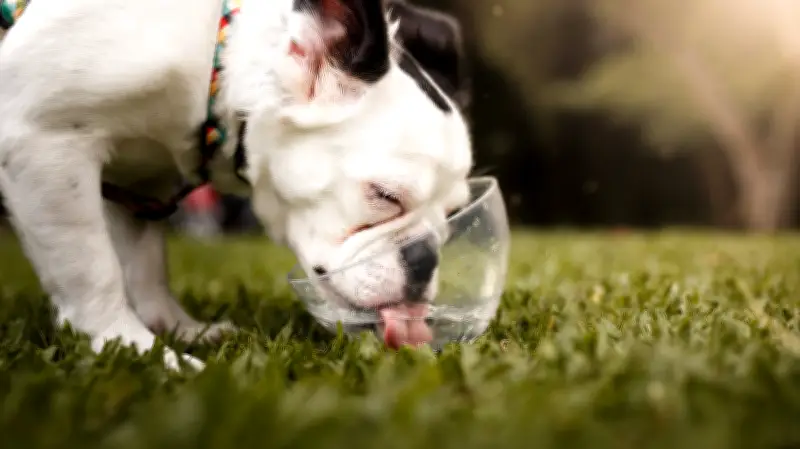
Record-setting temperatures and heat waves this summer have pet owners concerned about their furry friends. Although dogs love to run and play outside, that might not be wise during hot stretches. Pet experts break down how to determine if it's safe to walk your dog and how to keep them safe when you do step out.
Check the Heat Index, Not Just Temperature
“Generally speaking, it is safe to walk a healthy, adult dog when the heat index is 85 degrees or lower,” said Dr. Sarah Wooten, a veterinary expert with Pumpkin Pet Insurance. “Note that is a heat index, not just ambient temperature, because humidity also contributes to the heat index.” In humid areas, the acceptable temperature range will likely be lower, so check the “real feel” measurements. Wooten noted that a leisurely walk on dirt or grass at 90 degrees may be OK for a healthy adult dog, but not on pavement or asphalt.
Consider Your Dog’s Breed and Individual Needs
“Ability to handle heat really depends on the dog’s breed, coat and health status,” said Erin Askeland, an animal health and behavior consultant at Camp Bow Wow. “Dogs with shorter snouts will have a harder time regulating their body temperature and cannot handle hotter temperatures. Dogs with thick coats also may not handle the heat well as they were designed for cold weather. Dogs with health issues, very young, or older dogs may also not be able to handle heat well.”

If your dog has heart disease, breathing problems or obesity, pay extra care. “Smush-face breeds, like bulldogs, cannot tolerate heat,” Wooten said. “Even normal activity for these dogs can be harmful, so keep at-risk dogs inside as much as possible when the heat index is 85 degrees or higher. Also, greyhounds are at increased risk of heat distress. Lastly, don’t shave double-coated dogs. Their fur can protect them from heat — Australian shepherds, huskies, goldens, collies, corgis, etc.”
Test the Pavement
“If where you live is surrounded by pavement, put your hand on the ground,” advised Dr. Heather Berst, a veterinarian and medical lead with Zoetis. “If it feels too hot to the touch, don’t walk your dog on the pavement because their paws could burn.” Askeland recommended seeing if you can comfortably place your hand on the ground and hold it for 10 seconds. “While some dog boots can prevent paws coming in contact with the hot surface, it may simply be too hot to walk your dog regardless of paw protection,” she added.
Bring Tons of Water
If it’s safe to walk, carry lots of water and offer it throughout the outing. “Always keep them hydrated,” Wooten said. “In addition to always having water on hand, you can also offer small amounts of water-rich fruit, like melons or berries. You can also add water to their dry kibble to increase hydration, or toss ice cubes made with chicken broth in the water bowl to entice them to drink more.”
Be Strategic About Timing
“If it is very hot, it’s better to walk very early or very late in the day to avoid the extreme temperatures and direct sun,” Askeland said. A quick walk for a bathroom break is tolerated by most dogs, but longer walks increase the risk of overheating. “Treat the walks as a chance to stroll and sniff instead of trying to move quickly or cover a lot of ground,” she added.
Buy Cooling Products
“There are some helpful items you can purchase, such as bandanas or vests that can be put in the freezer, to help your pet stay cool,” Berst noted. Cooling vests work through evaporation, similar to sweating. “Cooling vests can be useful to help keep a dog cool during a walk, but most cooling vests will not last very long,” Askeland cautioned. Cooling gel mats and beds are also good options for post-walk. “The hard, flat surface provides a supportive substrate for them to lay down, while helping to cool them off,” said Dr. Jamie Richardson, head of veterinary medicine at Small Door Veterinary. Wooten offered a DIY toy: freeze water in soda bottles, wrap them in socks, and place them on the floor for the dog to lie beside.

Limit Sun Exposure
“If you do decide to walk your dog on a very hot day, consider doing things that you like to do to personally stay cool yourself on a hot day,” Berst advised. Pick a shaded route or walk on grass instead of pavement. Take breaks in shady areas. Dogs that are avid ball chasers may not regulate their activity, so you need to do it for them. Wooten also suggested using dog sunscreen to prevent sunburn and heat stroke.
Pay Attention to Signs of Heat Exhaustion
“Generally, heat exhaustion is a milder form of heat stroke,” Askeland explained. Signs include lagging behind, looking for shade, trying to sit down, hyperventilating, heavy panting, and seeking water. “Heat exhaustion can quickly progress to heat stroke, so it’s important to monitor your dog, take its temperature, and go to your veterinarian immediately if symptoms worsen.” Symptoms of heat stroke include high temperature, rapid breathing, bright red gums and tongue, dry or tacky gums, trouble balancing, collapse, vomiting, excessive drooling, uncontrollable panting, and lethargy. “If heat stroke is a concern, a dog owner should apply cool, wet cloths to the dog’s skin and get to a veterinary hospital immediately,” Askeland said.
Give Them Cool Treats
“Many dogs love ice cubes as a crunchy treat,” Richardson noted. “You can also give them frozen chunks of watermelon or other melon. Just ensure the rind and any seeds are removed, as these can pose a choking hazard.” Freeze low-sodium, fat-free broth (no onion or garlic) or coconut water with berries. You can also make dog-friendly “ice cream” by mixing mashed banana, unsweetened plain yogurt, and peanut butter, then freezing. “You could also make fruity ‘pupsicles’ by diluting fruit juice, so it’s not too sugary,” Richardson added. “Ensure the juice does not contain any artificial sweeteners like xylitol — it’s toxic to dogs.” Both Richardson and Wooten recommend stuffing a Kong toy with soft food and freezing it for a long-lasting treat.
Find Alternatives to Your Usual Walks
“When it’s very hot, you may not be able to safely walk your dog and can look to indoor games and activities to help your pet get some exercise and mental stimulation,” Askeland noted. Suggestions include hide and seek, scavenger hunts, indoor obstacle courses, short training sessions, or teaching new tricks. Wooten noted that very active dogs can be trained to run on indoor treadmills. “If your dog is comfortable, go swimming or engage in water-related activities,” Wooten recommended. “Set up a sprinkler, mister or kiddie pool for them to play in. Keep in mind though for lakes, pools and other bodies of water: When the water is above 75 degrees, dogs can still overheat if they are exercising hard in the water.”
Whether indoors or outdoors, the most important thing is to take cues from your pet. “Do not force your dog to exercise in the heat,” said Dr. Dana Wilhite, a consulting veterinarian with Full Moon Pet. “If they seem like they’d rather not, it’s a good time to take a day off.”