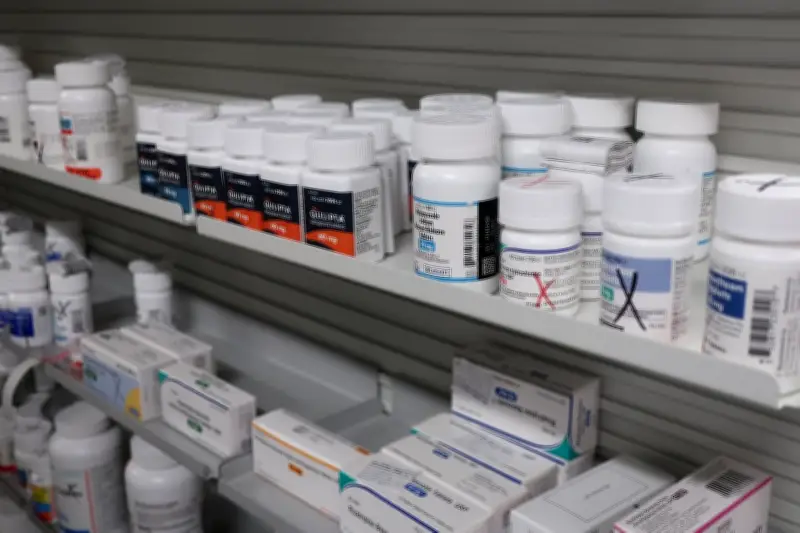
A new rule introduced by the Trump administration could save Medicare patients an estimated $1.1 billion annually in drug costs, according to the Associated Press. The regulation aims to cap out-of-pocket expenses for prescription drugs and adjust payment models to reduce financial burdens on seniors.
Details of the Rule
The rule, announced on July 2, 2026, modifies Medicare Part D to limit annual out-of-pocket spending for beneficiaries. It also restructures how drug manufacturers and insurers share costs, potentially lowering premiums for millions. The Centers for Medicare & Medicaid Services (CMS) estimates that the changes will reduce overall drug spending by $1.1 billion per year.
According to a CMS spokesperson, “This rule ensures that seniors have access to affordable medications without facing catastrophic costs.” The policy is part of broader efforts to address rising drug prices, which have increased by over 30% in the past decade.

Impact on Patients
Patients with chronic conditions, such as diabetes or heart disease, are expected to benefit most. For example, those spending over $2,000 annually on medications could see savings of up to $500 per year. The rule also includes provisions to prevent sudden price hikes on commonly prescribed drugs.
“This is a significant step toward making healthcare more affordable,” said Dr. Emily Carter, a healthcare policy analyst at the Kaiser Family Foundation. “However, its effectiveness will depend on how insurers implement the changes.”
Broader Context
The rule comes amid ongoing debates over drug pricing in the U.S. A 2025 report from the Government Accountability Office found that Medicare beneficiaries spent an average of $1,200 out-of-pocket on prescriptions annually. The new regulation aims to reduce that figure by nearly 20%.
Critics argue that the rule does not address underlying causes of high drug costs, such as patent protections and lack of price negotiation. Nevertheless, the Trump administration has touted it as a victory for seniors, with President Trump stating, “We are delivering on our promise to lower drug prices.”
Next Steps
The rule is set to take effect in January 2027, pending a 60-day public comment period. CMS will monitor its impact and may adjust policies based on feedback. Beneficiaries are encouraged to review their Part D plans during open enrollment to maximize savings.