GLP-1 Medications Trigger Surprising Scent Sensitivity
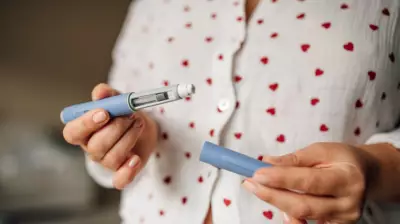
About three months into taking Zepbound, comedian Todd Masterson experienced an intense reaction to a particular Le Labo fragrance. The scent lingered in his mind for days, compelling him to purchase it. Masterson, known as @GayFatFriend on social media, described the experience as reminiscent of a movie trope where a drug hits a nerve and imprints itself on the brain. This marked the beginning of a full-blown fragrance obsession. Fourteen months after starting Zepbound, an injectable GLP-1 medication for weight loss, Masterson has lost nearly 80 pounds and amassed a collection of almost 100 bottles, focusing on intense florals and vanilla scents. He likens the urge to reapply different scents throughout the day not to hunger, but to a sensory craving that shifts with his mood.
Shifts in Sensory Perception
Samantha King, a former fashion model from Northern Tasmania, noticed a similar shift after starting Mounjaro nine months ago. Fragrances that once nauseated her became wearable and even irresistible. King, who documents her GLP-1 journey on YouTube, explains that the medication didn't create a love for perfume but altered how her body perceives it. She, like Masterson, gravitates toward sweet, food-like scents such as vanilla. This trend aligns with a broader gourmand boom in the perfume industry, where dessert-like notes are increasingly popular, a phenomenon linked by beauty analysts to the rise of GLP-1 drugs.
Medical Insights on Sensory Changes
Doctors prescribing GLP-1 drugs like Ozempic, Wegovy, and Mounjaro report hearing from patients about unexpected changes in scent perception. Dr. Fatima Cody Stanford, an obesity medicine physician at Harvard Medical School, notes that patients often describe heightened sensitivity to food smells, sometimes finding heavy or fried foods less appealing. Some also become more aware of non-food scents like perfumes. While not universal, the theme is increased sensory awareness rather than a complete change in smell. On Reddit, users share growing perfume collections and a sense of liberation from guilt associated with dessert scents, which now symbolize freedom rather than defeat.

Possible Explanations
Dr. Stanford suspects the phenomenon may stem from reduced food reward, where diminished pleasure from eating makes other sensory experiences like fragrance more salient. Valentina Parma, a psychologist at the Monell Chemical Senses Center, explains that GLP-1 receptors in the olfactory bulb and hippocampus may modulate odor processing. When food loses its pleasurable pull, other sensory sources may fill the hedonic gap. Additionally, improved metabolic and inflammatory states from GLP-1s could enhance overall awareness, including scent perception.
However, large controlled studies are lacking. Analysis of the FDA Adverse Event Reporting System by Parma's team found reports of parosmia, a smell distortion disorder, in some GLP-1 users. Parosmia can make food smells unpleasant while leaving other scents intact, potentially shifting preferences toward perfumes. More research is needed to draw firm conclusions, but the anecdotal evidence points to a fascinating link between GLP-1 drugs and heightened fragrance appreciation.