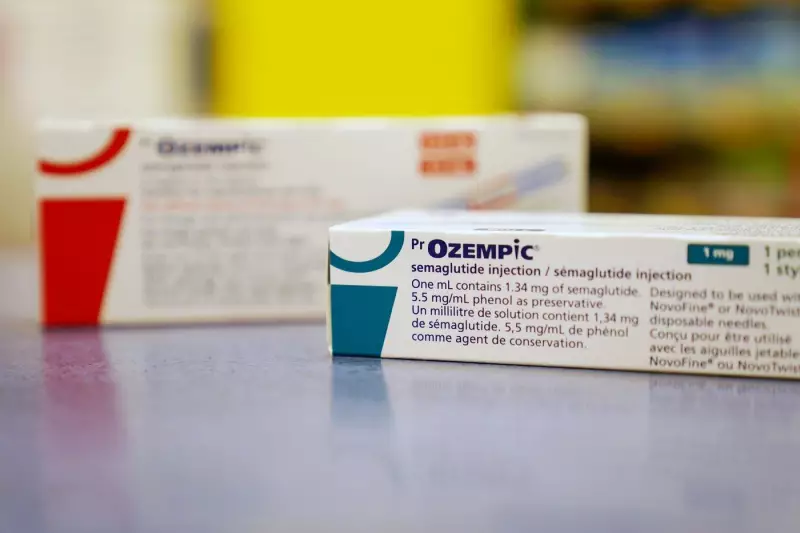
A significant shift in the Canadian pharmaceutical landscape is set to begin next week, as the patent protection for the popular diabetes and weight-loss drug Ozempic expires. This change will legally allow Canadian companies to start manufacturing and selling generic versions of the medication, known chemically as semaglutide.
Patent Expiry Opens the Door for Competition
The key date is January 2026, when the intellectual property rights held by Novo Nordisk, the Danish manufacturer of the brand-name Ozempic, are scheduled to lapse in Canada. This patent expiry is a standard process in the drug industry, designed to balance innovation with affordability by eventually allowing cheaper, bioequivalent alternatives to enter the market.
Health Canada has confirmed that regulatory pathways are in place for generic drug manufacturers to submit their applications for approval. These companies must demonstrate that their version of semaglutide is therapeutically equivalent to the original Ozempic, meeting strict standards for safety, efficacy, and quality.

Why Patients Won't See Immediate Relief
Despite the green light for production, health policy analysts and pharmacy experts are urging Canadians to temper their expectations for a quick rollout. Widespread availability of generic Ozempic is not anticipated for many months.
The delay stems from several critical factors:
- Manufacturing Scale-Up: Producing a complex biologic medication like semaglutide is not instantaneous. Generic companies must ramp up production, which involves securing ingredients and ensuring large-scale manufacturing facilities are operational and compliant.
- Regulatory Review: Even after applications are submitted, Health Canada's review and approval process takes time to ensure all standards are met.
- Distribution Logistics: Once approved, the drug must be distributed across the country's vast pharmacy and healthcare networks, which will occur gradually.
This timeline means that while the legal barrier falls next week, the practical barrier of supply will persist. Patients currently relying on Ozempic for managing type 2 diabetes or who are prescribed it for weight management should continue with their current supply plans and consult their healthcare providers.
Potential Impact on Drug Costs and Access
The eventual arrival of generic semaglutide is expected to put downward pressure on drug prices over the medium to long term. Generic medications typically cost significantly less than their brand-name counterparts, which could lead to substantial savings for both patients and public drug plans like those in Ontario, British Columbia, and Quebec.
This development could also alleviate some of the supply shortages that have periodically plagued Ozempic, as multiple manufacturers enter the market. However, experts caution that high global demand for GLP-1 receptor agonists like semaglutide may continue to strain supply chains, even with additional producers.
The move towards generic production marks a pivotal moment in Canada's effort to manage soaring healthcare costs and improve access to essential medicines. While the wait for cheaper alternatives continues, the starting gun for their development has officially been fired.