The landscape of weight management and diabetes care in Canada is undergoing a significant shift, driven not just by medical professionals but by consumers on social media and through mobile applications. A new report highlights the growing influence of platforms like TikTok and dedicated apps in popularizing and providing access to GLP-1 receptor agonist drugs.
The Social Media Catalyst
Platforms such as TikTok have become unexpected hubs for discussions about GLP-1 medications like semaglutide and tirzepatide. Users share personal weight-loss journeys, side effect experiences, and tips for accessing treatments, creating a vast, user-generated knowledge base. This peer-to-peer sharing has demystified the drugs for a broad audience, accelerating public awareness and demand outside of traditional doctor-patient conversations.
The viral nature of "before and after" stories and dosage discussions has pushed these pharmaceuticals into the mainstream consumer consciousness. This trend represents a major departure from the past, where information was primarily filtered through healthcare providers and pharmaceutical advertising.

Digital Health Apps Fill the Access Gap
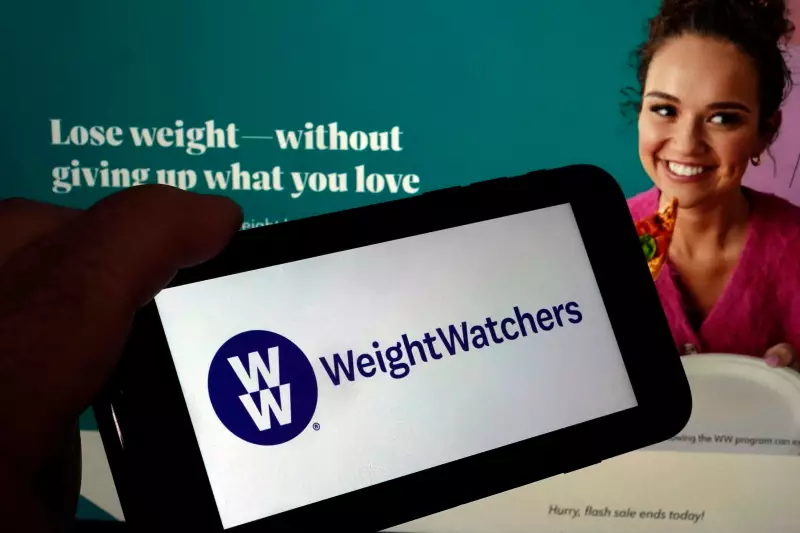
Parallel to the social media boom, a surge in digital health and telemedicine applications is making it easier for Canadians to obtain prescriptions for GLP-1s. Companies, including established names like WeightWatchers which have pivoted to include medication management, offer integrated services.
These platforms typically provide:
- Virtual consultations with licensed practitioners.
- Direct-to-patient prescription services and pharmacy partnerships.
- App-based tracking for medication, diet, and exercise.
- Community support features mirroring social media engagement.
This model appeals to consumers seeking convenience and discretion, bypassing potential wait times for specialist appointments and offering a more holistic, digitally-native care model.
Implications for the Canadian Healthcare Landscape
This consumer-driven movement presents both opportunities and challenges for Canada's healthcare system. On one hand, it increases access and can empower patients with information. On the other, it raises questions about appropriate use, the quality of online information, and the strain on drug supply.
Regulatory bodies and healthcare professionals are now tasked with navigating this new environment, where patient demand is often shaped by trends rather than clinical guidance alone. The phenomenon also intensifies debates around drug coverage, costs, and ensuring equitable access beyond those who can afford out-of-pocket payments or private app subscriptions.
As of December 29, 2025, this trend shows no signs of slowing, indicating a permanent shift toward a more consumer-centric, digitally-enabled model for managing weight and metabolic health. The future of GLP-1s in Canada will likely be shaped by the continuous interplay between viral social media content, innovative app-based services, and the evolving frameworks of public and private healthcare.