Canadian Pediatric Research Scandal: When Doctors Fabricate Medical Evidence
On Tuesday morning, a profound shockwave reverberated through the Canadian pediatric medicine community, which has already endured a tumultuous start to the year 2026. This latest upheaval stems from an investigative piece published in January by The New Yorker, authored by Pulitzer Prize-winning journalist Ben Taub. The article delves into a protracted and bitter feud between two prominent figures: the disgraced physician Gideon Koren, founder of the infamous Motherisk laboratory at Toronto's Sick Kids Hospital, and his former colleague David Juurlink, a respected pharmacologist affiliated with Sunnybrook Hospital and the University of Toronto.
The Motherisk Legacy and a New Controversy
While the Motherisk scandal is already widely recognized in Canada due to extensive media coverage, particularly by the Toronto Star, which exposed the laboratory's flawed scientific practices and documented a pattern of misconduct by Koren, the New Yorker piece shifts focus to a separate but equally alarming controversy. The article centers on a 2006 paper published in the prestigious medical journal The Lancet, co-authored by Koren and four other doctors, including James Cairns, a former deputy chief coroner of Ontario who has also relinquished his medical license.
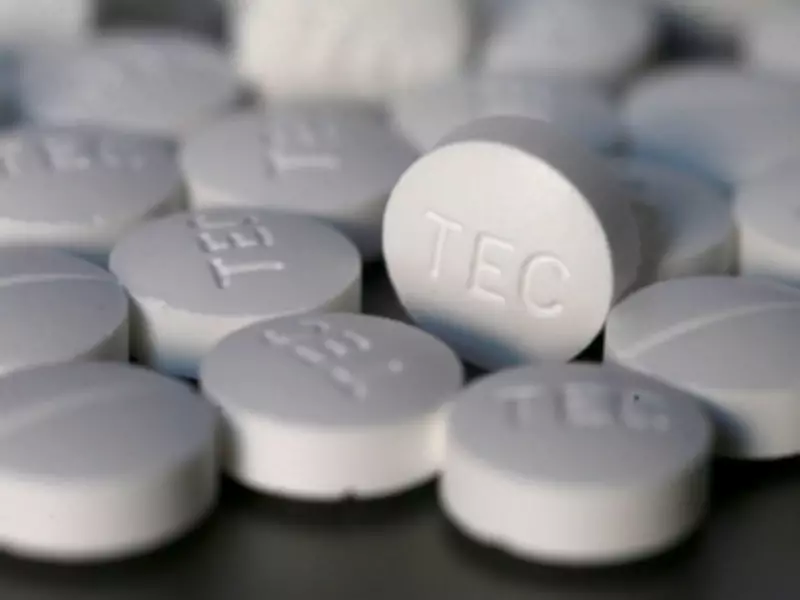
This paper presented a single case study involving the tragic death of a Toronto infant named Tariq Jamieson. The authors claimed the baby died after his mother, following medical advice, took Tylenol-3—a prescription medication containing acetaminophen and codeine—while breastfeeding. According to the paper, a rare and terrifying pharmacological event occurred: the mother transmitted codeine through her breast milk, which was then metabolized into morphine in the infant's liver, leading to a fatal overdose.

Unraveling a Scientific Fabrication
The story took a critical turn when David Juurlink, attending a conference in Scotland, was confronted by a colleague who questioned the biological plausibility of the Lancet paper's conclusions. The colleague pointed out that the morphine levels reported in Tariq's autopsy seemed impossible to achieve from the mother's low-dose Tylenol-3 intake, with no supporting evidence found in global medical literature at the time.
Furthermore, parallel reports submitted to other journals revealed that Tariq's body contained significant levels of acetaminophen, strongly indicating a direct administration of Tylenol-3 to the infant, not transmission through breast milk. Driven by these discrepancies, Juurlink embarked on a meticulous investigation, eventually gaining access to confidential coroner's files. These records contained a damning piece of evidence: Tariq's stomach contents held a mass of unmetabolized codeine, definitively proving that the scenario described in the Lancet paper was a pharmacokinetic fantasy—essentially, fabricated science.
The Battle for Accountability and Public Trust
Juurlink's subsequent struggle to have the paper retracted, the coroner's report made public, and to reassure women worldwide about the safety of breastfeeding while using certain medications was fraught with institutional resistance and frustration. The New Yorker article highlights how this case exemplifies the severe consequences when medical researchers abandon ethical standards. The Motherisk laboratory's earlier misconduct, which involved unreliable drug-testing procedures that corrupted Ontario's child-protection system for a decade, already demonstrated the real-world harm caused by sloppy science.
This new revelation underscores a persistent issue: the erosion of public trust in medical institutions when professionals engage in deception. The impact of such actions extends beyond academic circles, affecting vulnerable populations and undermining confidence in healthcare advice. Notably, the Lancet finally issued an "Expression of Concern" regarding the dubious paper on February 3, 2026, a move that came only after sustained external pressure and media scrutiny.

The scandal serves as a stark reminder of the critical need for rigorous oversight, transparency, and integrity in medical research. When doctors publish falsified data, they not only jeopardize individual lives but also compromise the very foundation of scientific progress and public health advocacy. The Canadian pediatric community, and indeed the global medical field, must reckon with these failures to prevent future occurrences and restore faith in evidence-based medicine.