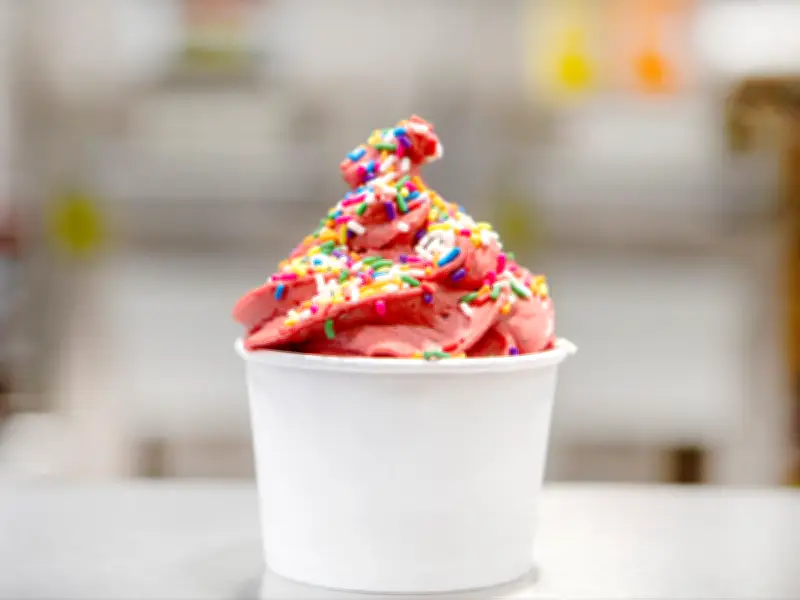
Frozen yogurt is experiencing a renaissance, this time with bowls costing up to US$30. The resurgence is fueled by the perception that fro-yo is a healthier alternative to ice cream, according to a Bloomberg News report by Rainier Harris and Daniela Sirtori.
A Winter Surprise
Howard Schultz, former Starbucks head, was taken aback by the sight of customers lining up in winter for frozen yogurt at Mimi's in downtown Manhattan. Schultz, now an advisor to the company, sees parallels with how Starbucks transformed coffee into a premium experience. He praised Amber Linz, Mimi's twenty-something co-founder, for elevating fro-yo into a premium brand.
Mimi's is part of a burgeoning fro-yo renaissance in New York and across the U.S., alongside shops like Birdie's, Myka, and Mythos. These brands attract Generation Z with artisanal toppings—such as Italian-made pistachio sauce—vibey stores, and a health-conscious pitch. The strategy has convinced fans to pay upwards of US$30 per bowl.

Health-Driven Growth
In the U.S., frozen yogurt servings rose 26% to about 87 million in the 12 months through March, per researcher Circana. Gen Z, whose oldest members are in their late 20s, is driving the trend by seeking healthier lifestyles—drinking less alcohol, exercising more, and scrutinizing food labels.
"Fro-yo fills that need of wanting to indulge without attaching guilt," said David Portalatin, a senior vice president at Circana. "The thinking goes: 'I can have this treat and also feel like I'm making a better choice.'"
From Fat Content to Probiotics
Jenny Ammirati, co-founder of Brooklyn-based Culture, has witnessed the shift. Fifteen years ago, customers asked about fat content; now they inquire about probiotics, scratch-made preparation, and real flavours.
While ice cream has more calories than frozen yogurt, toppings can quickly erode that advantage. At Mimi's, customers choose from healthy and indulgent options like fresh fruit, cookie dough, and chocolate chips. Nevertheless, the perception of being better for consumers is helping fro-yo's comeback.
"They want to feel like they're getting something sweet, but not the caloric killer that can be ice cream or gelato," said Raitah Jinnat, a 23-year-old incoming New York University student, while enjoying Mimi's.
Echoes of the Past
Fro-yo's initial boom in the late 1980s and early 1990s coincided with the aerobics craze and reduced sugar consumption. Brands like TCBY and Tasti D-Lite marketed themselves as lower-calorie ice cream substitutes. Today's revival mirrors that era but with a premium twist.