Tragedy in Tumbler Ridge Reveals Critical Mental Health Resource Gaps
The devastating school shooting in Tumbler Ridge, British Columbia, which resulted in eight fatalities including six children, has brought urgent attention to the profound lack of mental health supports in rural and northern communities across the province.
Shooter's History of Police Interactions and Mental Health Concerns
The 18-year-old shooter, Jesse Van Rootselaar, who died by suicide following the attack, had multiple documented interactions with law enforcement throughout her life. Police records indicate a mental wellness check was conducted last spring specifically addressing self-harm concerns. Van Rootselaar, a transgender teen who identified as female both socially and online, had dropped out of school approximately four years prior to the incident and began her gender transition journey about six years ago.
Systemic Shortages in Remote Communities
Jonny Morris, CEO of the Canadian Mental Health Association B.C. Division, emphasized that communities like Tumbler Ridge frequently face critical shortages in mental health resources. "We don't have a universal standard of access to care, and rural and remote communities are often disproportionately impacted by a lack of in-person mental health and substance-use care," Morris stated. He noted that while virtual care options have expanded, they cannot replace the essential nature of face-to-face therapeutic relationships.

Morris further explained: "There are communities like Tumbler Ridge across British Columbia and elsewhere in Canada that don't have the same level of required resourcing for counselling, psychiatry, psychology, school counselling."
Longstanding Community Warnings
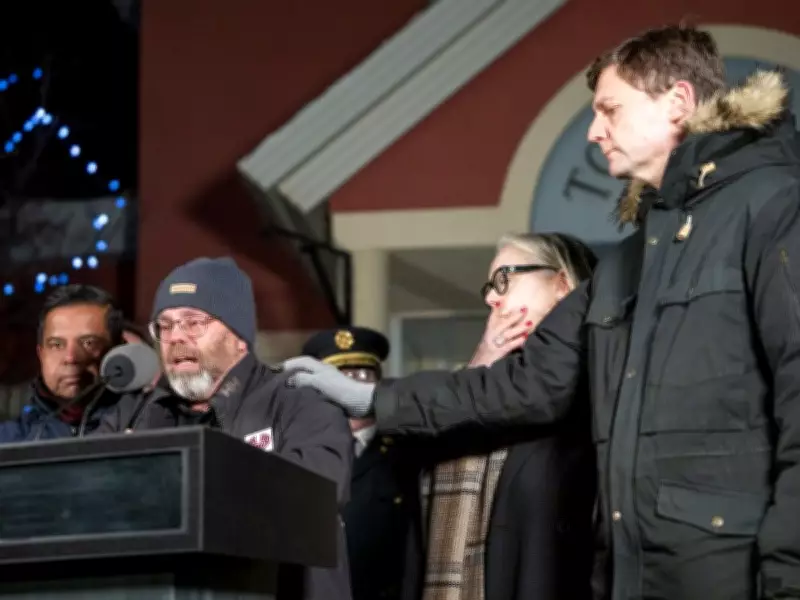
The District of Tumbler Ridge has been raising alarms about inadequate mental health supports for residents for several years, with this issue dominating discussions during the 2022 municipal election. Mayor Darryl Krakowka, speaking alongside Premier David Eby at a recent news conference, highlighted the community's ongoing struggle to secure necessary resources for its residents.
Krakowka detailed the healthcare crisis: "Our community is already short doctors and is set to lose another family physician in March, putting us down to one full-time family doctor." He stressed that many residents lack access to primary care physicians who could initiate mental health treatment pathways.
Critical Need for In-Person Counseling Services
The mayor emphasized the insufficiency of current mental health supports, calling for more counselors to relocate to the community. "It is one thing that we know as elected officials within our community that we are short on is mental-health counselling," Krakowka said. "Not everybody wants to do Zoom, and sometimes it's with a different mental-health crisis counsellor, and it needs to be the same individual."
Despite the recent tragedy, Krakowka expressed hope that healthcare professionals would recognize Tumbler Ridge's appeal: "To me, it's God's paradise. We've had a tragedy, but it's God's paradise to me, I can't see why a doctor or nurse or counsellor wouldn't want to move here."
Broader Implications for Rural Canada
This tragedy underscores a nationwide pattern where remote communities face significant barriers to accessing mental health services. The combination of physician shortages, limited specialist availability, and geographic isolation creates perfect conditions for mental health crises to escalate without intervention. As communities across Canada grapple with similar challenges, the Tumbler Ridge shooting serves as a painful reminder of the human cost when mental health systems fail to reach those in need.