Tumbler Ridge's Mental Health Funding Gap Persists Despite Community Protests
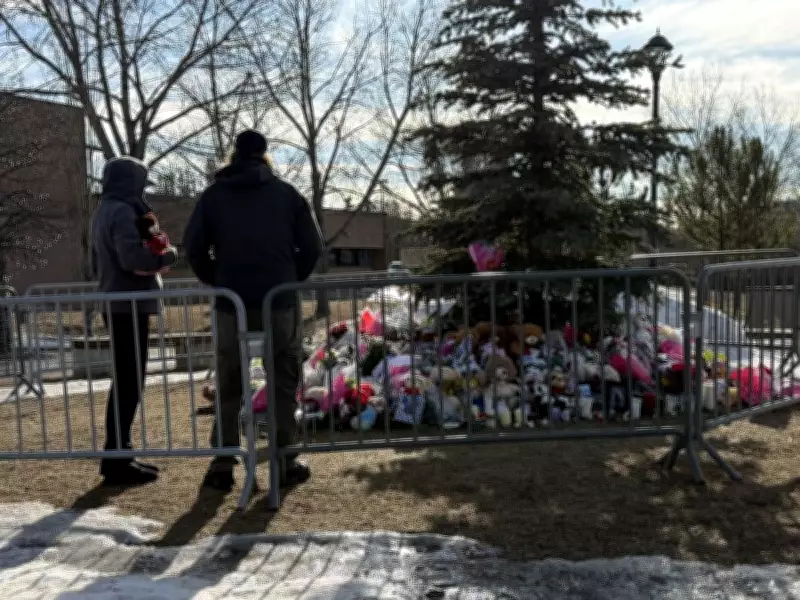
In the aftermath of a devastating shooting that claimed eight lives in Tumbler Ridge, British Columbia, a pressing question lingers: did the community's ongoing struggles with social and healthcare resources contribute to this tragedy? The incident, involving 18-year-old Jesse Van Rootselaar, has intensified scrutiny of the region's mental health services, revealing a persistent "funding gap" that leaves residents vulnerable.
Community Outcry and Government Response
Despite repeated calls for enhanced mental health support, Tumbler Ridge remains trapped in a cycle of inadequate funding. Residents have organized protests to demand better services, only to see the provincial government emphasize virtual primary care and crisis lines as solutions. A month after initial demonstrations, protesters returned with the rallying cry "Northern Lives Matter," arguing that remote services cannot address urgent emergencies effectively.
The critical first hour following a serious health event is often decisive for survival, yet Tumbler Ridge's reduced healthcare hours have compromised this window. In December 2025, a resident died during an hour-long ambulance transport to Dawson Creek, underscoring the dire consequences of service degradation.

Historical Context and Service Instability
Tumbler Ridge, incorporated in 1981 as an "instant town" to support coal mining, has long experienced boom-bust cycles that disrupt service continuity. Policy churn—the frequent starting, stopping, and rebranding of programs—has exacerbated these challenges, leaving the community with dysfunctional or absent resources. In September 2025, Northern Health announced reduced hours at the Community Health Centre, eliminating after-hours access to healthcare and emergencies after 5 p.m.
This change triggered a domino effect, including diminished ambulance services due to the lack of on-call physicians for medical direction. Virtual care initiatives, promoted by the government, have failed to alleviate concerns about emergency response capabilities in this remote northern area.
Warning Signs and Systemic Failures
Jesse Van Rootselaar, a transgender woman, had not attended school for four years and used social media to document her experiences with hallucinogenic and psychedelic drugs, alongside a fascination with firearms and violence. The RCMP reported multiple responses to the family home, often related to mental health issues and firearms. Although firearms were once seized, they were later returned after a court petition, highlighting gaps in intervention protocols.
These warning signs point to broader systemic failures in mental health support and crisis management. The downloading of social and medical responses onto police agencies has compounded these issues, straining law enforcement and leaving vulnerable individuals without adequate care.
The Path Forward
The tragedy in Tumbler Ridge underscores the urgent need for sustainable, well-funded mental health services in northern communities. As residents continue to advocate for change, the gap between government policies and on-the-ground realities remains stark. Addressing this funding disparity is crucial to preventing future crises and ensuring that all communities, regardless of location, have access to essential healthcare resources.