





Politics
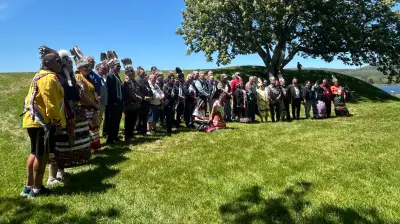
Peace and Friendship Treaty of 1726 Commemorated in Annapolis Royal
A gathering at Fort Anne National Historic Site in Annapolis Royal, N.S., marked the commemoration of the Peace and Friendship Treaty of 1726, highlighting its historical significance.



Business
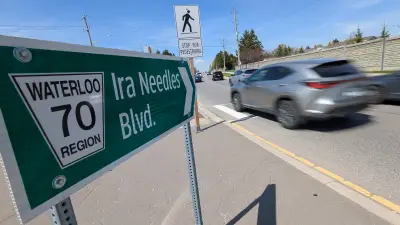
Ira Needles Blvd Tops CAA's Worst Roads in Western Region for 2026
Ira Needles Boulevard in Waterloo has been named the worst road in western Ontario by CAA, highlighting ongoing infrastructure concerns.
Sports

Gavin McKenna's Indigenous Roots Shape His Perspective Ahead of NHL Draft
Gavin McKenna, the projected No. 1 pick in the 2026 NHL draft, credits his grandfather's residential school experience for his perspective. A documentary highlights his Indigenous heritage.



Lifestyle
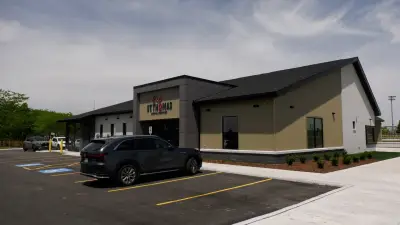
St. Thomas Opens New Animal Services Centre in Southdale Area
St. Thomas has unveiled a new Animal Services Centre at Southdale Line and Bill Martyn Parkway, aiming to improve animal welfare and shelter services in the region.




Health





Environment
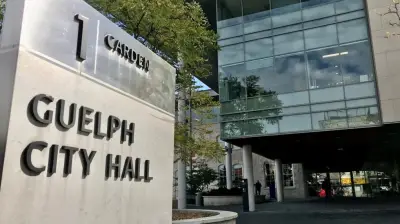
Guelph Fined for Raw Sewage Discharge into Eramosa River
The City of Guelph and a company have been fined for discharging raw sewage into the Eramosa River, violating environmental regulations and impacting local water quality.
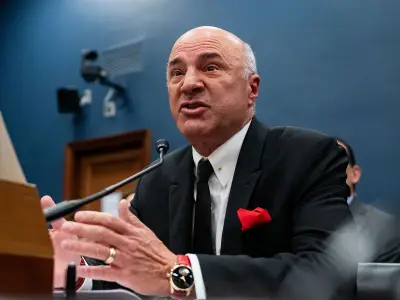
Shark Tank star halves Utah data centre plan after backlash
Kevin O'Leary cuts proposed Utah data centre size by half after lawmakers and community oppose the 40,000-acre project over environmental concerns.
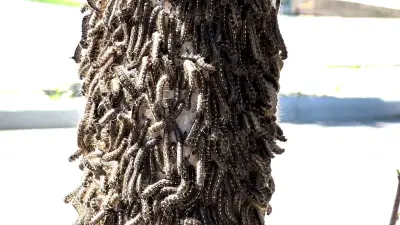
Alberta Tent Caterpillar Boom: Largest Outbreak in Years
Alberta is experiencing one of its largest tent caterpillar outbreaks in recent years, with experts noting the boom can be discomforting for residents.
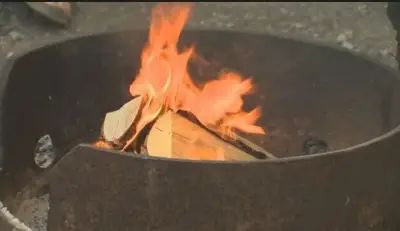
Fire Ban Lifted North of North Saskatchewan River
Saskatoon officials have lifted the fire ban for regions north of the North Saskatchewan River, citing improved conditions. Residents are urged to remain cautious.
Man Hiding in Trunk During Northern Ontario Traffic Stop
A Thunder Bay woman and an Atikokan man face charges after police found the man hiding in the trunk during a traffic stop in northern Ontario.
