A Father's Journey Through Grief and Advocacy After His Daughter's Suicide
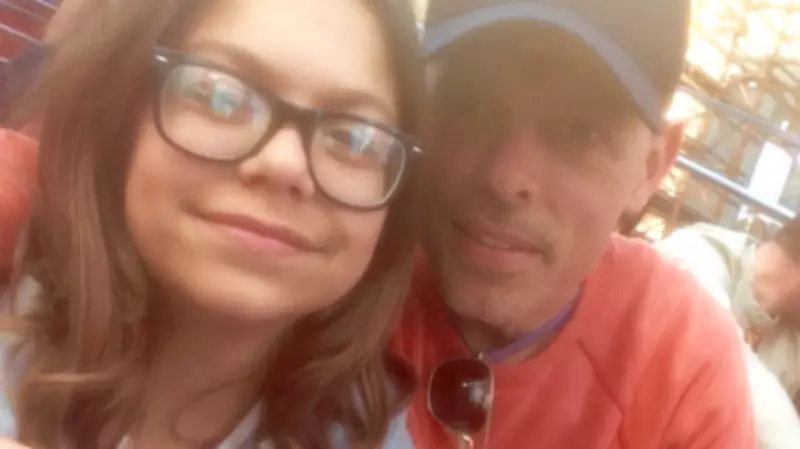
Early on the morning of November 10, 2017, Alex Koltchak received the phone call that every parent fears and none are ever prepared to handle. His oldest daughter, 15-year-old Parker Lily, had lost her battle with mental health, a struggle the family believed she was overcoming. That devastating moment split Koltchak's life into a stark "before" and "after," launching him and his family into a painful process of rebuilding their shattered world.
Dispelling a Dangerous Misconception About Suicide
For years, Koltchak held a common but harmful misconception about suicide: that mentioning the word or asking someone directly if they are considering taking their own life might plant the idea in their mind. He now emphatically states that this belief is false and dangerous. The mental health community has firmly rejected this notion, advocating for open, direct communication. Koltchak urges everyone to understand that asking someone if they are suicidal does not cause suicide; instead, it can provide a critical lifeline for those in distress, offering them permission to speak their truth and seek help.
Remembering Parker: A Vibrant Life Cut Short
Parker was far more than a statistic. She was a curious, creative force from a young age, with teachers noting her gifted artistic abilities and advanced abstract thinking. A protective and loving big sister to Rory and Hudson, she was fiercely loyal, deeply caring, and passionate about justice. Her humor shone through even at four years old, when she confidently questioned why she couldn't eat ice cream for breakfast. In her teenage years, she attended a Maryland high school designed for students facing mental health challenges, where she thrived by making friends, acting in plays, and creating art, appearing to hit her stride outwardly.

The Hidden Struggles and Tragic Loss
Beneath the surface, Parker battled severe mental health issues, including unexplained moods, self-harm, and a psychiatric hospitalization. Her family navigated shifting medications and terrifying potential diagnoses like bipolar disorder or borderline personality disorder. There were hopeful periods when she seemed to be improving, leading them to believe the worst was over. On that fateful November morning, Koltchak answered a call from an unknown Maryland number, hearing an officer deliver the news that Parker had taken her own life. His immediate reaction was a split consciousness: one part denying the reality, the other rushing to inform his ex-wife Deb and their sleeping children.
In the aftermath, a wave of grief overwhelmed him, manifesting as pure love and giving him the courage to face his family. This marked the beginning of the "After" phase, where he joined support groups for suicide loss survivors. There, he discovered his pain was not unique; suicide is heartbreakingly common, yet shrouded in silence. He heard countless stories echoing his own: shock, guilt, and relentless questions about missed signs.
Turning Pain into Purpose: Advocacy and Art
The turning point came in spring 2022 when his daughter Rory wrote a college essay about living in Parker's shadow and her own mental health struggles. Her raw, courageous words inspired Koltchak to break his silence. He began writing late at night, capturing memories of Parker—from her childhood antics to her hospital stays and stage performances. These fragments evolved into a one-man show titled Bent Through Glass, a family portrait and love letter to Parker that explores survival in the wake of tragedy. The title reflects life's fragility and the enduring ability to refract light even when broken.
Koltchak performs this show not to relive his worst day, but to combat the silence around suicide, which he believes costs lives. His message is clear: if you suspect someone is suicidal, ask directly. Provide support and connect them to resources like crisis lines (e.g., 988 in the U.S.). For those in dark places, he emphasizes staying long enough to reach out, as needing help is not a weakness or burden.

A Call to Action: Ending the Stigma
Koltchak's advocacy underscores that we cannot afford silence around suicide. By sharing his story, he hopes Parker's legacy will help others stay alive. His show aims to tour nationally, spreading this vital message. If you or someone you know needs support, contact mental health resources immediately.