Canada's Global Happiness Ranking Declines to 25th Position in 2026 Report
The latest World Happiness Report for 2026 has been published, revealing a significant drop in Canada's global standing. The nation now occupies the 25th position in the international happiness rankings, a notable decline from its previous 18th place standing in the prior year's assessment. This places Canada substantially below traditionally high-ranking nations like Finland and Denmark, which consistently top the charts, though still well above countries at the bottom of the 147-nation survey such as Malawi, Sierra Leone, and Afghanistan.
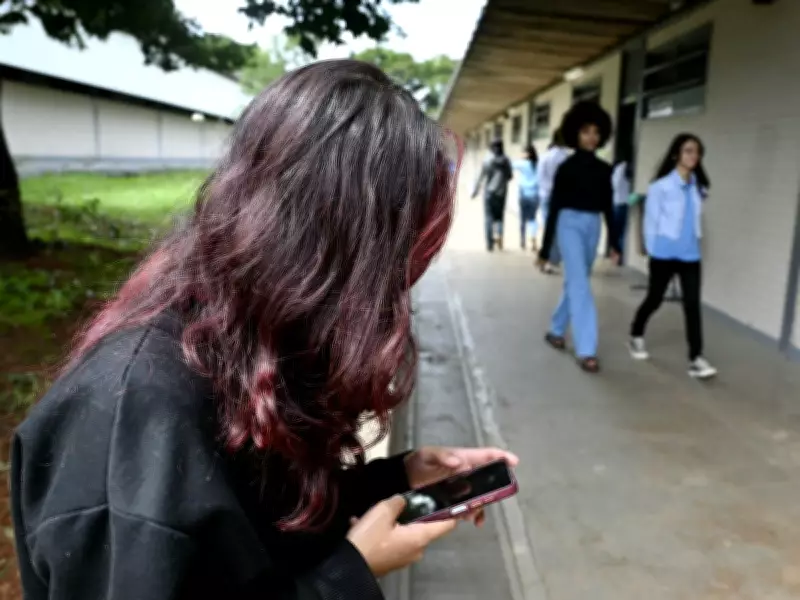
Social Media Identified as Key Factor in Declining Youth Happiness
The comprehensive report, produced through collaboration between the University of Oxford's Wellbeing Research Centre, Gallup, the UN Sustainable Development Solutions Network, and an independent Editorial Board, identifies social media as a significant contributor to declining happiness levels, particularly among younger demographics. Researchers note that in North America and Western Europe, young people demonstrate substantially lower happiness levels compared to fifteen years ago, a period that coincides with dramatic increases in social media platform usage.
"Many people blame social media for this fall in happiness, but does this hypothesis stand the test of rigorous scientific analysis?" the report questions in its executive summary. "What about the rest of the world, where young people's happiness has not declined relative to adults, even though social media is equally prevalent?"

Research Reveals Critical Usage Patterns and Platform Differences
Extensive analysis within the report demonstrates clear correlations between social media consumption and well-being outcomes. Adolescents who engage with social media platforms for more than seven hours daily exhibit significantly worse well-being indicators compared to those who limit their usage to under one hour. The research further reveals that among U.S. college students surveyed, a majority expressed a preference that social media platforms didn't exist at all, using them primarily because of peer pressure rather than genuine desire.
The type of social media platform proves crucial according to data collected from Latin American regions. Platforms specifically designed to facilitate genuine social connections demonstrate positive associations with happiness levels, while those relying heavily on algorithmically curated content show negative correlations, particularly at high usage rates.
Heavy Users Face Significant Risks in Specific Regions
The report concludes that heavy social media users face substantial risks, especially within English-speaking countries and Western European nations. While researchers don't attribute all happiness declines exclusively to social media, they state clearly that "the evidence in this report does suggest that heavy social media use, especially in some countries, provides an important part of the explanation."
Regarding younger users, the report takes an even stronger position, directly addressing what it terms the "product safety question" for children and adolescents. "Is social media use reasonably safe for children and adolescents?" the report asks. "We call this the 'product safety question,' and ... the answer is no."
International Regulatory Responses Emerging
Evidence supporting these conclusions comes from multiple sources including:
- Surveys of young people, parents, teachers, and clinicians
- Corporate document analysis
- Cross-sectional and longitudinal research studies
- Social media reduction experiments
The report notes increasing international regulatory responses, highlighting Australia's December decision to raise the age limit for ten major social media platforms from 13 to 16 years. Other nations including Denmark, France, and Spain are reportedly planning similar regulatory measures. Researchers express hope that the evidence presented in their comprehensive volume will assist policymakers in evaluating and implementing appropriate protective measures for vulnerable populations.