That July afternoon in 2013 seemed utterly ordinary at first glance. I was a 22-year-old single mother, juggling two jobs and pouring every ounce of energy into surviving and loving my two young boys. Life was a whirlwind of noise, chaos, and messiness, and like so many young parents, I took it all for granted without even realizing it. You never truly appreciate the normalcy until the world grinds to a sudden, horrifying halt.
The Day Everything Changed
My 2-year-old son was heading just up the road to have dinner at a friend's grandparents' house—a trusted babysitter who had cared for him many times before. It was supposed to be a simple, uneventful evening. I kissed him goodbye without a second thought, never imagining it might be the last time I would see him alive.
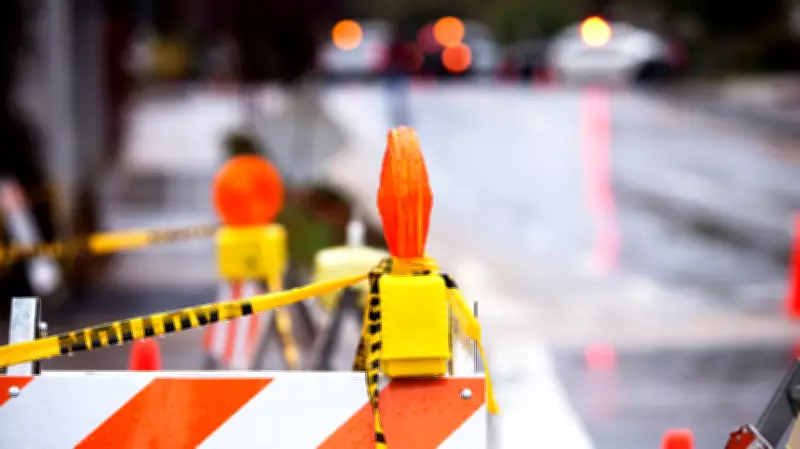
I was in the car with a friend and coworker, on my way to work, when her phone rang. We were driving down a road less than a mile from the multigenerational family home where I lived at the time. Her niece was calling to warn us that the road ahead was blocked off because something was on fire. "I think it's a car," she said.

A Mother's Intuition
What happened next is difficult to put into words, but I can attest that a mother's intuition is a powerful, visceral force. I knew—I felt it deep in my bones—before I even saw the car, the tree, or the smoke curling into the sky. Time seemed to freeze, and I started screaming, "It's my son. He's in that car."
When we reached the blocked road, I didn't wait for permission or instructions. I leaped out of the car, threw my purse onto the pavement, and ran toward the scene. Through my tears, I could make out the organized chaos of fire trucks and state troopers. In that moment, it felt as though the entire world was collapsing in on itself.
The Devastating Truth
Two troopers stopped me before I could get close to the burning vehicle. I begged them to tell me which ambulance my son was in, but they remained silent. Finally, one of them asked me: if my son had been in the car, where would he have been sitting?
"Back seat, passenger side, in his car seat," I answered quickly. The way they exchanged glances told me everything before their words did. My legs gave out, and I hit the ground, screaming until my throat burned raw. I'll never forget the gravel under my hands, the intense heat from the fire, or the crackling sound of radios. Over and over, I thought, "This can't be real." But it was. And in that instant, the Before part of my life ended forever.
Remembering a Bright Light
Before his death, my son was pure, radiant light. He laughed at everything with a contagious joy that made strangers turn and smile. He loved the rain and would sing "Rain, rain, go away" in his tiny toddler voice, softening the world around him. He called fruit snacks "nacks" and demanded them with a confidence that made me laugh even on the toughest days. To know him was to love him, and everyone did.
He had bright blue eyes and dimples that appeared before his smile. He adored being outside, riding his little John Deere tractor as if he owned the whole yard. Every night, without fail, he had to sleep with me, curling his finger around the hair at the back of my neck to fall asleep—a habit he started as a baby and never outgrew. It was his way of anchoring himself to me, and me to him.
Being his mother was the greatest honor and joy of my life. Even after everything that followed, that truth remains unchanged.
The Aftermath of Loss
In the days that followed, time lost all meaning. I barely slept, didn't eat, and woke each morning hoping it had all been a nightmare, only to be hit anew by the crushing reality. My house filled with people—family, friends, neighbors, and even strangers who had heard the story on the news—but I felt utterly alone inside my own body.
I sat on the porch swing, the same one where I used to rock him to sleep, feeling as though the world moved around me while I remained frozen. Every task felt insurmountable: calling the funeral home, choosing photos for a slideshow, listening to the coroner explain what had happened. I was 22 years old, planning a funeral for my 2-year-old son. There is no version of that sentence that makes any sense.

Navigating Grief and Identity
People kept telling me I was strong, but I felt hollow, as if I had left my body at the crash site and was merely walking around in whatever remained. I struggled to be a mother to my surviving son, seeing the brother he had lost every time I looked at him. I didn't know how to be a daughter, a friend, or even a person. Grief didn't just break me—it unmade me entirely.
Before my son died, I was a different person—someone I barely recognize now. I was happy in an effortless way, loving, energetic, and enthusiastic about life, the kind of mother who danced in the kitchen and laughed easily. I didn't realize how fragile that version of me was, or that she could vanish in a single moment.
Rebuilding from the Pieces
After the accident, everything changed. I became anxious, sleepless, and constantly on edge. Grief didn't just shatter my heart—it rewired my entire nervous system. I moved through the world like someone perpetually waiting for the next blow. Once the worst had happened, I knew something similarly tragic could occur again at any moment.
That fear and emptiness left me vulnerable in ways I didn't understand at the time. I fell into a relationship born out of trauma, not love—a bond built on pain, control, and the belief that I didn't deserve anything better. When that ended, I met someone who felt like a soulmate, offering gentleness after years of chaos. Losing him, too, carved another deep fault line through my life.
The Before me was carefree. The After me is someone who has survived more than she ever should have had to. But she's still here, and that counts for something.
The Evolution of Grief
Losing my son forced me to rebuild myself from pieces I never expected to hold. I didn't emerge from grief wiser or stronger; I came out raw, unsteady, and changed in ways I lacked the language to describe. But over time, I learned that survival isn't a single moment—it's a thousand small choices to keep going, even when you no longer recognize the person you've become.
Grief doesn't end, but it does evolve. It becomes something you learn to carry, integrating into the way you move through the world. My son's life was short, but it changed me in profound ways that still matter. I am not the woman I was before July of 2013, and I never will be. But I am still here. And every day that I choose to keep going is a day that honors him.