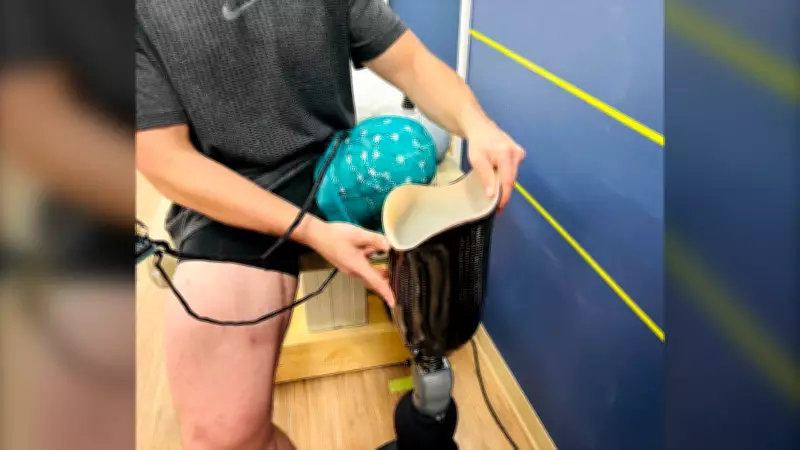
Researchers at Simon Fraser University (SFU) in British Columbia have achieved a significant breakthrough in medical technology by developing a new kind of prosthetic limb socket using advanced 3D printing techniques. This innovation promises to transform the lives of amputees by offering a socket that is notably lighter, cooler, and far more comfortable to wear compared to traditional models.
A Leap Forward in Prosthetic Design
The team at SFU has focused on addressing common issues with prosthetic sockets, such as discomfort, heat buildup, and excessive weight, which can hinder mobility and daily activities. By leveraging 3D printing, they have created custom-fitted sockets that are tailored to the individual's anatomy, ensuring a better fit and improved functionality. This approach not only enhances comfort but also reduces the risk of skin irritation and other complications associated with ill-fitting prosthetics.
Key Benefits of the New Technology
The 3D-printed sockets offer several advantages over conventional methods. Firstly, the lightweight materials used in the printing process make the prosthetic easier to wear for extended periods, reducing fatigue. Secondly, the design incorporates ventilation features that help keep the limb cool, addressing a frequent complaint among users. Additionally, the customization potential allows for precise adjustments that can improve alignment and stability, leading to better overall performance.

Implications for the Future of Prosthetics
This development could pave the way for more accessible and affordable prosthetic solutions. 3D printing technology enables faster production times and lower costs, potentially making high-quality prosthetics available to a broader range of patients. The research team is now exploring further enhancements, such as integrating smart sensors to monitor pressure and movement, which could provide real-time feedback for users and healthcare providers.
The project underscores SFU's commitment to innovation in healthcare and technology. As the team continues to refine their designs, they aim to collaborate with medical professionals and amputees to ensure the sockets meet practical needs. This breakthrough not only highlights the potential of 3D printing in medical applications but also offers hope for improved quality of life for individuals relying on prosthetic limbs.