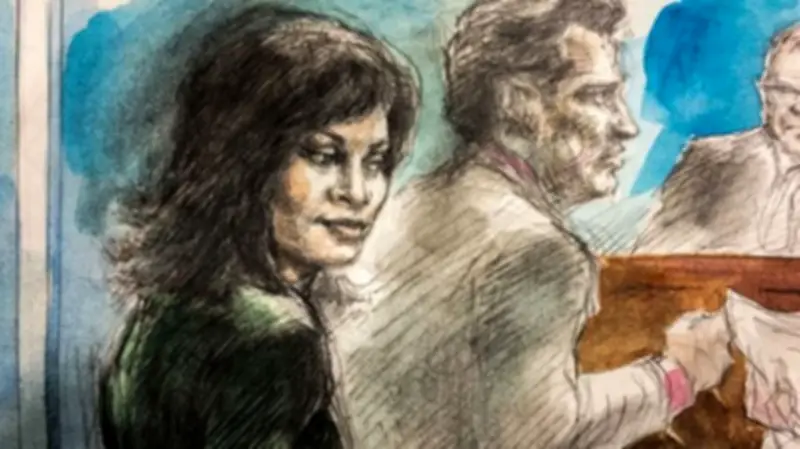
A woman who fatally stabbed a stranger in Toronto's underground PATH system has been granted an absolute discharge, a rare legal outcome that means she will face no further punishment or restrictions. Rohinie Bisesar, now in her late 40s, was found not criminally responsible for the 2015 killing due to mental illness. The decision was handed down in a Toronto courtroom on June 12, 2026.
Background of the Case
The incident occurred on April 22, 2015, when Bisesar stabbed 28-year-old Rosemarie Junor in the chest at a Shoppers Drug Mart in the PATH. Bisesar had no prior criminal record and was described as a quiet, hardworking woman. However, she had been suffering from severe mental health issues, including schizophrenia, which led to her being declared unfit to stand trial initially. After years of treatment and assessment, she was found not criminally responsible in 2019.
Court's Decision
Justice John McMahon of the Ontario Superior Court ruled that Bisesar no longer poses a significant threat to public safety and granted an absolute discharge. This means she is free from any conditions or supervision by the Ontario Review Board. The Crown had argued for a conditional discharge, citing potential risks, but the defense emphasized her successful treatment and lack of violent behavior since the incident.

- Victim Impact: The Junor family expressed deep disappointment, stating that the discharge does not provide closure for their loss.
- Mental Health Advocacy: Mental health advocates praised the decision as a recognition of recovery and the importance of treatment over punishment.
Legal Implications
Absolute discharges are rare in cases of serious violence. Under Canadian law, an absolute discharge is granted when a court believes the individual is not a danger to the public and that a criminal record is not necessary. Bisesar's case highlights the complexities of mental health in the justice system.
Reactions
The decision has sparked mixed reactions. Some argue it undermines the severity of the crime, while others see it as a compassionate approach to mental illness. Bisesar's lawyer stated that she is relieved and plans to continue her recovery privately.
This case remains a notable example of how the legal system handles individuals with mental disorders, balancing public safety with rehabilitation.