The United States government has delivered its first payments to victims of 'Havana Syndrome,' the mysterious neurological condition that has afflicted American diplomats, intelligence officers, and their families worldwide. The payments, confirmed by multiple sources familiar with the matter, represent a significant milestone after years of advocacy by those affected.
Details of the Compensation
The payments are part of a compensation program authorized under the 2021 HAVANA Act, which President Joe Biden signed into law to provide financial support to victims of what the U.S. government calls 'anomalous health incidents.' The law allows for payments of up to $187,500 per person, though the exact amounts disbursed in this first round have not been disclosed. According to a U.S. official who spoke on condition of anonymity, the payments were made to a small number of individuals who suffered the most severe injuries.
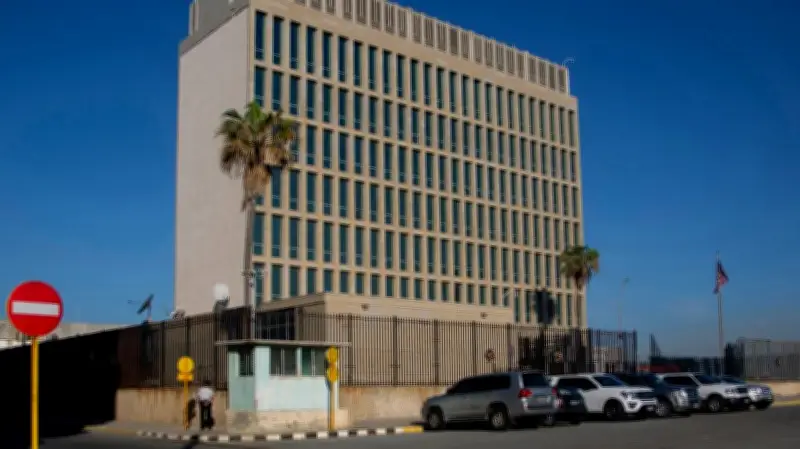
The Havana Syndrome phenomenon first emerged in 2016 among U.S. embassy staff in Havana, Cuba, where personnel reported sudden onset of symptoms including severe headaches, dizziness, cognitive impairment, and hearing loss after experiencing strange sounds or sensations. Similar incidents have since been reported in China, Russia, Austria, and other countries. The cause remains unknown, with theories ranging from directed energy weapons to psychological factors.

Impact and Advocacy
Victims and their advocates have long criticized the U.S. government for slow action and insufficient support. Mark Zaid, a lawyer representing several victims, said, 'This is a long-overdue step toward acknowledging the sacrifices made by these public servants. While the payments are welcome, much more needs to be done to ensure proper medical care and recognition.' The National Security Council declined to comment on the specifics of the payments but reiterated the administration's commitment to supporting affected personnel.
The compensation program has faced administrative hurdles, including rigorous medical documentation requirements and verification processes. Some victims have reported difficulty proving their injuries due to the elusive nature of the condition. The State Department has established a dedicated office to process claims and coordinate medical evaluations.